Lucerne or Interlaken: Where to Put Your One Mountain Base in Switzerland

On prices: figures on this page were researched in September 2026 and are given as bands, not quotes. Swiss rail pass and mountain railway pricing is revised annually, so check the current fare before you book.
Lucerne or Interlaken: Where to Put Your One Mountain Base in Switzerland
You land at Zurich Airport. You have five days. You can stay in one place. That single decision about your Lucerne or Interlaken mountain base determines whether you spend your trip looking at painted facades and lake steamers or standing on a glacier. The two towns sit only an hour apart by train. They serve entirely different travellers. Here is how to pick the right one.
Lucerne vs Interlaken Comparison: What Each Base Actually Gives You
What Lucerne Delivers
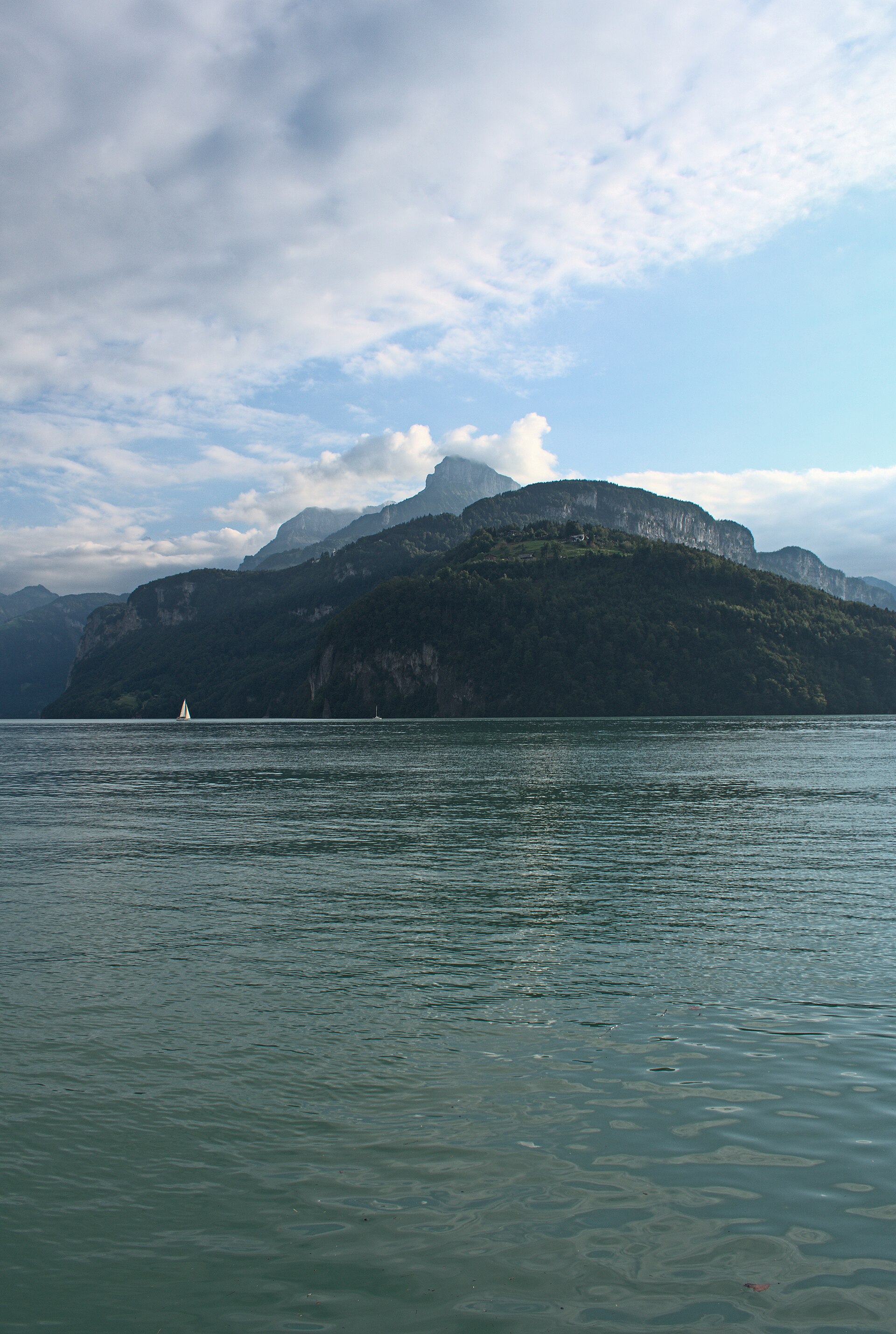
Lucerne is a real city of 85,000 people. It has a functioning old town with the 14th century Chapel Bridge, painted facade buildings on the waterfront, and the Swiss Transport Museum (Verkehrshaus) for rainy days. Elevation is 435 metres. From Lucerne station, you reach Mount Rigi in 90 minutes by boat and cogwheel train, and Mount Pilatus in a similar time via cable car from Kriens. The Swiss Travel Pass covers boats on Lake Lucerne and makes Rigi free. Pilatus gets a 50% discount under the 2025 pass rules, though those rates are set annually by the Swiss Travel System and can change.
What Interlaken Delivers
Interlaken is a purpose built base of 5,700 people. It sits at 567 metres between Lake Thun and Lake Brienz. The town itself has no historic core. Its main street, the Höhematte, is a flat green park used for paragliding landings. You stay here not for the town but for what is 20 minutes away: the Lauterbrunnen Valley, the car free village of Wengen, the lift access at Grindelwald, and the Jungfrau region. Getting to Interlaken Ost from Zurich Airport takes 2 hours 03 minutes with a change at Bern, versus 1 hour 01 minute direct to Lucerne. That extra hour matters on arrival and departure days.
The single most practical difference: Lucerne gives you a compact, walkable city with evening options. Interlaken gives you a functional adventure hub that is quiet after 9pm.
Swiss Mountain Base for Families: Lucerne or Interlaken
For multi generational groups, safety and ease trump everything. Lucerne wins here. The Verkehrshaus is Switzerland's best indoor museum for children: all hands on, waterproof, and open when weather closes the mountains. The lakeside Lido has swimming platforms and calm water. The Rigi offers easy walks from the summit station that a six year old can manage, and the Pilatus rope park challenges older kids under harness. The boat network on Lake Lucerne lets you see the mountain scenery without hiking at all: sit on the upper deck, order a coffee, let the lake do the work.
Interlaken works for families who want direct action. The First cliff walk at Grindelwald includes a suspension bridge and a Trottibike scooter descent that teenagers love. The Jungfraujoch Ice Palace is inside the glacier at 3,454 metres and free with the Jungfrau ticket. But the train to Jungfraujoch costs over CHF 210 return per adult and only gets a 25% discount on the Swiss Travel Pass, not full coverage. For a family of four, that excursion alone runs into hundreds of francs. Lucerne's mountain day costs a fraction of that.
Jungfrau Region Base Choice: Why Interlaken is the Only Option for This Area
If your trip exists to reach the Jungfraujoch, the Schilthorn, or the high Alpine trails above Grindelwald, you base in Interlaken. There is no practical alternative. Lucerne is 90 minutes by train from Interlaken Ost, and then you still need to transfer to the Jungfrau railway. That adds a two hour commute each way to your mountain day. Do not do it.
From Interlaken, the Lauterbrunnen Valley is 20 minutes by train. From there, cable cars go to Mürren and the Schilthorn Piz Gloria. The car free Wengen is the best family village for staying put, with direct train access to the Jungfrau railway at Kleine Scheidegg. Grindelwald has direct gondola access to the First ridge. Interlaken itself gives you Harder Kulm, the local viewpoint reached by funicular in 10 minutes, with return fares set by the operator and published at the valley station. The Swiss Travel Pass covers the trains to Grindelwald, Lauterbrunnen, Wengen, and Mürren. The Jungfraujoch gets a 25% discount and the Schilthorn gets a 50% discount under 2025 rules, both set annually.
The failure case: if you stay in Interlaken and the Jungfrau region is clouded in, you have very few backup options. Interlaken's best in rain list is short. St. Beatus Caves on Lake Thun are worth one afternoon. Everything else requires clear skies. Lucerne in rain gives you three covered bridges, two museums, and the Bourbaki Panorama. If you need a weather insurance policy, Lucerne has it.
Lucerne or Interlaken as a Hub: the Transfer Math
The numbers decide this one.
Lucerne as a hub: Zurich Airport to Lucerne is 1 hour 01 minute direct, half hourly. Lucerne to Interlaken Ost is 1 hour 50 minutes. Lucerne to Zurich city centre is 45 minutes. From Lucerne you can day trip to Bern (56 minutes), and to the Rhine Falls via Schaffhausen (90 minutes). The central station, Luzern, is integrated with the lake boats. You step off the train and walk 50 metres to the boat dock for Rigi and Pilatus departures.
Interlaken as a hub: Zurich Airport to Interlaken Ost is 2 hours 03 minutes with one change at Bern. Interlaken to Lucerne is 1 hour 50 minutes. Interlaken to Geneva Airport is 2 hours 30 minutes. The advantage is that the Jungfrau region, the most concentrated Alpine scenery in Switzerland, is at your doorstep. You lose time on the outward and return airport transfers, but you gain it back every single day you spend in the mountains.
The real choice: Lucerne suits the traveller who wants variety and a city evening. Interlaken suits the traveller who wants to wake up and be on a high Alpine trail by 9am.
What Lucerne Does Better
Walkability and Evening Life
Lucerne's old town is compact. You cross the Chapel Bridge, walk the painted facade lanes along the Reuss River, and have dinner in the pedestrianised streets behind the Jesuit Church. The evening buzz is real: restaurants stay open, bars fill, and the waterfront promenade is active until midnight. Interlaken's main street, Höheweg, has shops and hotels but closes early. By 8pm on a weeknight you walk a quiet town.
Rain Backup
Lucerne has the Verkehrshaus (Swiss Transport Museum), the Rosengart Collection of Picasso and Klee, and the Bourbaki Panorama. Interlaken has St. Beatus Caves. That is the entire indoor list. If you book a five day stay in Interlaken and get two rainy days, the second day is frustrating.
Lake Access
Lake Lucerne is a deep blue fjord lake with ferry routes that count as excursions. The boat to Vitznau for the Rigi cogwheel is a one hour cruise through mountain scenery. Interlaken sits between Lake Thun and Lake Brienz, both beautiful, but the town has no lakefront of its own. You walk 15 minutes from the station to the Lake Thun shore.
Zurich Connection
45 minutes from Lucerne station to Zurich main station. That means you can have dinner in Zurich and be back in Lucerne by 10pm. Interlaken to Zurich is 1 hour 50 minutes each way.
What Interlaken Does Better
Mountain Density
No base in Switzerland puts you closer to more high peaks. The Jungfrau, the Eiger, the Mönch, and the Schilthorn are all visible from the town. The train to Lauterbrunnen runs every 30 minutes and takes 20 minutes. From there you are in the valley of 72 waterfalls, including the Staubbach Falls visible from the station platform.
Adventure Infrastructure
Interlaken is the functional adventure hub for the whole Bernese Oberland. Paragliding, skydiving, canyoning, bungee jumping, and white water rafting are all organised from the town. If your trip is about action, not about taking photographs, this is your base.
Day Trip Range
From Interlaken you reach Grindelwald in 33 minutes, Wengen in 33 minutes, Mürren in 45 minutes, and the Jungfraujoch in 80 minutes total. You do not need to move your accommodation. Every day you pick a different valley or lift. The Lauterbrunnen Valley itself is worth two full days of walking.

The Cost Comparison: Lucerne vs Interlaken
Lucerne accommodation in shoulder season runs CHF 180 to 280 for a mid range double room. Interlaken runs CHF 160 to 260. The difference is roughly CHF 20 per night. A meal in a casual restaurant costs CHF 22 to 35 for a main course in either town. Coffee runs CHF 4.50 to 5.50.
The real cost difference is in excursions. A Lucerne mountain day on Rigi costs nothing extra if you hold a Swiss Travel Pass: the boat and the cogwheel are fully covered. A Pilatus day costs half the standard return cogwheel fare with the pass discount. An Interlaken mountain day to Jungfraujoch costs over CHF 210 return, even after the 25% pass discount. Two adults doing Jungfraujoch one day and Schilthorn another spend hundreds of francs on lifts alone.
If you pick Interlaken and do not visit Jungfraujoch, you picked the wrong base for that cost. If you pick Lucerne and spend your entire trip looking at the lake without climbing a mountain, you picked the wrong base for that experience.
The One Thing That Trips Travellers Up
The traveller who stays in Lucerne wanting Jungfrau region access makes a daily commute of 3 to 4 hours return and ends up doing one mountain excursion instead of three. The traveller who stays in Interlaken wanting a city evening and a museum day sits in their hotel room at 9pm with nothing open and feels trapped. Both made the right base choice for the wrong expectations.
The Swiss Travel Pass covers the base travel in both directions. It does not fix the time loss. A train transfer from Lucerne to Interlaken Ost takes 1 hour 50 minutes. You do that twice in a day and you have lost three hours and forty minutes of mountain time. The Jungfraujoch trip from Lucerne requires leaving by 7am and returning by 7pm. From Interlaken you leave at 8am and are back by 5pm with the same amount of time on the glacier.
Name the excursion you are coming for, then choose the base. If the answer is Jungfraujoch or Schilthorn, choose Interlaken. If the answer is Rigi, Pilatus, Chapel Bridge, or a functioning town, choose Lucerne.
Worth it if
- Lucerne has a real historic city centre with Chapel Bridge, painted facades, and evening life.
- Lucerne gives you free mountain access on Rigi with a Swiss Travel Pass full coverage.
- Lucerne provides excellent rain backup with the Verkehrshaus museum and covered bridges.
- Lucerne is a direct 61 minute train from Zurich Airport with no change.
- Lucerne works for multi generational families who want safe, effortless scenery.
Skip it if
- Lucerne adds 90 minutes each way to reach the Jungfrau region, making day trips to Jungfraujoch impractical.
- Interlaken has no historic core or evening buzz, functioning only as a launchpad for the mountains.
- Interlaken's rain backup is nearly non existent beyond St. Beatus Caves.
- Interlaken requires a 2 hour 03 minute transfer from Zurich Airport with one change at Bern.
- Interlaken's Jungfraujoch excursion costs over CHF 210 per adult, even after the Swiss Travel Pass discount.
Read next
-
 Switzerland eSIM for Hong Kong Travellers and Which Network Actually Works in the Alps
Hong Kong travellers need a Switzerland eSIM that holds signal above 2,000 metres. Swisscom is the only network with true alpine coverage—here is where to buy it and where it still fails.
Switzerland eSIM for Hong Kong Travellers and Which Network Actually Works in the Alps
Hong Kong travellers need a Switzerland eSIM that holds signal above 2,000 metres. Swisscom is the only network with true alpine coverage—here is where to buy it and where it still fails.
-
 Switzerland Hotels Hostels and Mountain Huts What Each Is Actually Like
Swiss accommodation spans CHF 50 hostel dorms to five-star Zermatt resorts—learn what a mountain hut stay actually involves, what half-board means and where families get the best value.
Switzerland Hotels Hostels and Mountain Huts What Each Is Actually Like
Swiss accommodation spans CHF 50 hostel dorms to five-star Zermatt resorts—learn what a mountain hut stay actually involves, what half-board means and where families get the best value.
-
 Switzerland Where to Stay Choosing Your Base for Mountains and Cities
Choose two or three Swiss bases maximum to avoid wasting half-days on mountain transfers—compare Wengen, Lucerne, Zermatt, Grindelwald and Interlaken for families, hikers and first-time visitors.
Switzerland Where to Stay Choosing Your Base for Mountains and Cities
Choose two or three Swiss bases maximum to avoid wasting half-days on mountain transfers—compare Wengen, Lucerne, Zermatt, Grindelwald and Interlaken for families, hikers and first-time visitors.
-
 Switzerland Flights from Hong Kong Direct and Connecting Options Compared
Direct Cathay Pacific and Swiss flights from Hong Kong to Zurich take 12 hours 40 minutes, while Geneva requires a connection—compare fares, seasons and what each route costs in HKD.
Switzerland Flights from Hong Kong Direct and Connecting Options Compared
Direct Cathay Pacific and Swiss flights from Hong Kong to Zurich take 12 hours 40 minutes, while Geneva requires a connection—compare fares, seasons and what each route costs in HKD.
-
 Top Destinations in Switzerland: A Tour of the Must-See Places
Switzerland may be small, but every corner has its own character, from cosmopolitan lakeside cities to car-free mountain villages and Italian-flavoured southern towns. This tour runs through the destinations most Hong Kong travellers put at the top of their list, with a sense of what each offers and
Top Destinations in Switzerland: A Tour of the Must-See Places
Switzerland may be small, but every corner has its own character, from cosmopolitan lakeside cities to car-free mountain villages and Italian-flavoured southern towns. This tour runs through the destinations most Hong Kong travellers put at the top of their list, with a sense of what each offers and
-
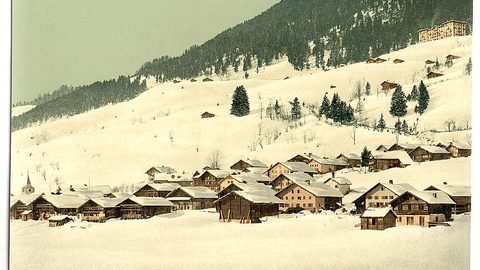 Switzerland in Winter vs Summer: Which Season Should You Choose?
Switzerland is one of those rare destinations that reinvents itself completely with the turning of the seasons. Visit in January and you find a hushed, snow-blanketed wonderland of ski slopes and steaming mountain restaurants. Return in July and the same valleys are green and buzzing, laced with wil
Switzerland in Winter vs Summer: Which Season Should You Choose?
Switzerland is one of those rare destinations that reinvents itself completely with the turning of the seasons. Visit in January and you find a hushed, snow-blanketed wonderland of ski slopes and steaming mountain restaurants. Return in July and the same valleys are green and buzzing, laced with wil
-
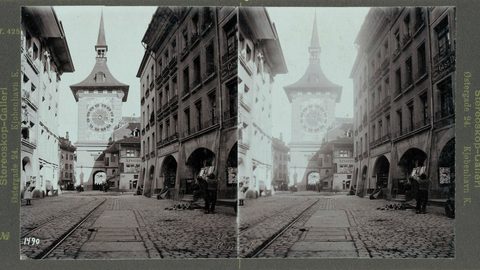 Bern
Bern is the Swiss capital most first-time itineraries skip. The UNESCO arcades, river bears, and 56-minute Zurich train make it the best rain-day city in Switzerland.
Bern
Bern is the Swiss capital most first-time itineraries skip. The UNESCO arcades, river bears, and 56-minute Zurich train make it the best rain-day city in Switzerland.
-
 Swiss Travel Pass or Half Fare Card Which Pays for Your Trip
Swiss Travel Pass or Half Fare Card? This cost comparison for Hong Kong travellers breaks down which pass pays for itself on mountain railways, lake boats, and intercity trains.
Swiss Travel Pass or Half Fare Card Which Pays for Your Trip
Swiss Travel Pass or Half Fare Card? This cost comparison for Hong Kong travellers breaks down which pass pays for itself on mountain railways, lake boats, and intercity trains.
-
 Zermatt or St Moritz Which Mountain Resort for a First Trip
Zermatt or St Moritz on a first Switzerland trip? This comparison weighs the Matterhorn against the Engadine valley on cost, access, and what each resort offers beyond skiing.
Zermatt or St Moritz Which Mountain Resort for a First Trip
Zermatt or St Moritz on a first Switzerland trip? This comparison weighs the Matterhorn against the Engadine valley on cost, access, and what each resort offers beyond skiing.