Zermatt or St Moritz: Which Mountain Resort to Choose on a First Trip
Zermatt or St Moritz on a first Switzerland trip? This comparison weighs the Matterhorn against the Engadine valley on cost, access, and what each resort offers beyond skiing.

On prices: figures on this page were researched in September 2026 and are given as bands, not quotes. Swiss rail pass and mountain railway pricing is revised annually, so check the current fare before you book.
Zermatt or St Moritz: Which Mountain Resort to Choose on a First Trip
Zermatt and St Moritz both demand eye watering prices and deliver alpine prestige. On a first trip you need to make one choice, not budget for both. The decision comes down to whether you want a single great peak or a sprawling valley of lakes, designer shopping, and winter spectacle. Zermatt gives you the Matterhorn, a car free resort, and 360 kilometres of linked pistes to Cervinia. St Moritz gives you a higher base at 1,856 metres, 350 kilometres across multiple separate sectors, and a calendar of frozen lake events that includes White Turf horse races and polo on ice.
| Factor | Zermatt | St Moritz |
|---|---|---|
| Dominant Peak | Matterhorn at 4,478 metres | Multiple peaks over the Engadin lake plateau |
| Altitude | 1,620 metres | 1,856 metres |
| Car Free | Yes. Internal combustion vehicles prohibited. Access via Tasch. | No. Road access is permitted. |
| Canton | Valais (Wallis) | Graubünden (Grisons) |
| Ski Pistes Total | Approximately 360 km (linked with Cervinia, Italy) | Approximately 350 km (across multiple Engadin sectors) |
| Highest Lifted Point | Klein Matterhorn at 3,883 metres | Piz Corvatsch at 3,303 metres |
| Access From Zurich HB | 3 hours 15 minutes. Change at Visp. | 3 hours to 3 hours 30 minutes. Direct InterCity or change at Chur. |
| Mid Range Hotel Winter 2025 | CHF 200 to 400 per night | CHF 250 to 500 per night |
| 5 Star Hotel Winter 2025 | CHF 600 to 1,500+ per night | CHF 700 to 2,500+ per night |
| Dinner Entrée Mid Range 2025 | CHF 28 to 45 | CHF 32 to 55 |
| Cappuccino 2025 | CHF 5.50 to 7.00 | CHF 6.00 to 8.00 |
| Non Skier Winter Activity | Gornergrat Railway panoramic ride | Cresta Run toboggan or Muottas Muragl trail |
| First Visit Suitability | High. Iconic focus. Walkable and compact. | Moderate. Dispersed layout. Higher cost barrier. |
Zermatt vs St Moritz Comparison: What Each Does Better
The Case for Zermatt
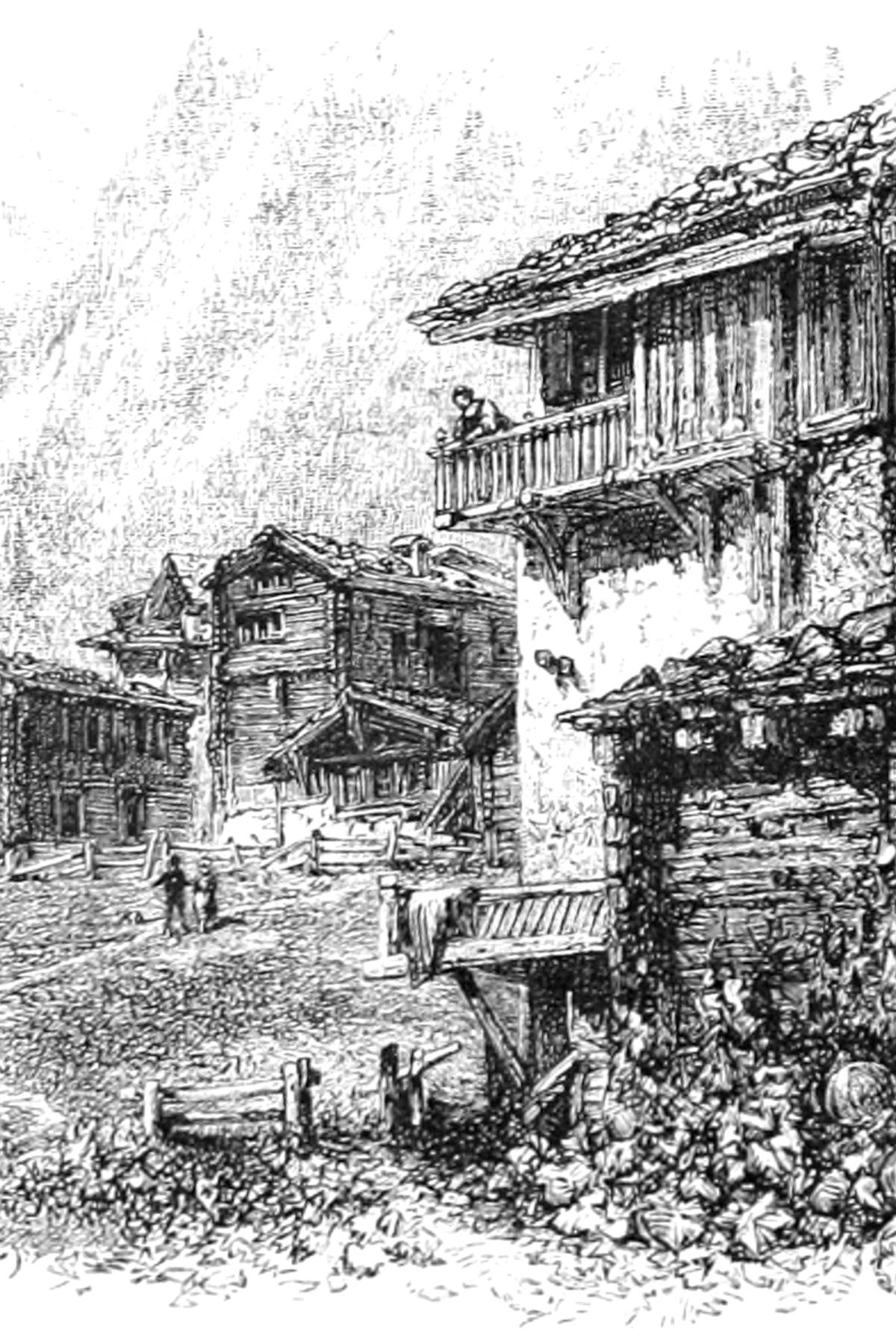
Zermatt wins for anyone who wants the Matterhorn as a constant backdrop. The resort is car free, so children and older visitors can cross the main street without checking for traffic. The Gornergrat line runs a 33 minute ride to a Matterhorn panorama that justifies its return fare even without a discount. Expect to pay CHF 110 to 130; the railway sets its own pricing, so check the Gornergrat Bahn website for the current figure. The ski area links to Cervinia in Italy, giving you 360 kilometres of pistes from the Klein Matterhorn at 3,883 metres down to the valley. Non skiers have the Matterhorn Glacier Paradise viewing platform at the same height, plus a network of summer hiking trails that stretch approximately 400 kilometres.
The Case for St Moritz
St Moritz delivers an Engadine valley experience that is less focused on a single peak and more on lifestyle. The resort itself sits at 1,856 metres, higher than Zermatt, so snow cover on the resort streets is more reliable through winter. The ski sectors are separate, not linked. A 6 day lift pass in the 2025/26 winter runs CHF 400 to 520, slightly under Zermatt's CHF 450 to 550. Check the Engadin St Moritz tourism site for the exact price before you book. St Moritz has frozen lake polo in February, the White Turf horse races, and designer shopping that leans towards formal rather than ski gear. The Bernina Express from St Moritz to Tirano runs on a UNESCO inscribed line; that alone pulls serious rail enthusiasts.
Matterhorn Resort or Engadine Resort: Which Punishes a Short Stay Less
Zermatt Rewards a Tight Schedule
Zermatt is the better choice for a short trip. The resort is compact and walkable. Everything you need sits within a 15 minute radius of the station. You can arrive from Zurich Airport in 3 hours 30 minutes via Visp, drop your luggage, and be on the Gornergrat line within 30 minutes. The car free design means no shuttle buses or taxis; your feet do the work. Dinner entrées run CHF 28 to 45. A dorm bed in a hostel costs from CHF 50, depending on the property. Check hostel websites for current rates. You trade cost for convenience because every minute of your stay is usable.
St Moritz Demands More Time
St Moritz punishes a short stay harder. The resort layout is dispersed across several lakefront pockets and hillsides. A hotel in the Corviglia sector might require a bus or taxi to reach the main station or the shops on Via Serlas. Access from Zurich Airport takes 3 hours 15 minutes to 3 hours 30 minutes, similar to Zermatt, but once you arrive you lose more time moving between ski sectors, restaurants, and the frozen lake events. The Muottas Muragl funicular, which gives you the signature panoramic trail over Lake Silvaplana and Lake Sils, requires a separate journey from the resort centre. If you only have 5 full days, the minimum recommendation for either destination, Zermatt uses those days more efficiently.
The Mistake to Avoid
Both destinations share the same failure case. A 7 day trip that tries to combine Zermatt, St Moritz, Lucerne, and Geneva will exhaust you on point to point tickets and leave you over budget. The Glacier Express runs the 8 hour route between the two resorts, but the railway charges a supplement per person plus a mandatory reservation. It is an experience, not a shortcut. Book one resort and commit to it.
Swiss Ski Resort for Non Skiers: Activities When the Lifts Are Not for You
Zermatt: Walk Out and Fill a Day
Zermatt offers a stronger set of non skier options within walking distance of the resort centre. The Matterhorn Museum covers the first ascent in 1865 and the tragedy that followed. It costs less than a lift pass. Ice skating on the outdoor rink runs through the winter ski season. The Sunnegga funicular reaches the Findeln side where you can walk the Leisee and Stellisee lakes in summer or sit on an outdoor terrace in winter watching skiers descend. The Gornergrat line is the best non skier day out: the panorama platform sits high above the ski runs, and the train runs year round. Summer non hiking activity includes the Sunnegga 5 Seenweg trail which passes Schwarzsee, Riffelsee, and three other lakes in a single loop.
St Moritz: Spectacle and Spectating
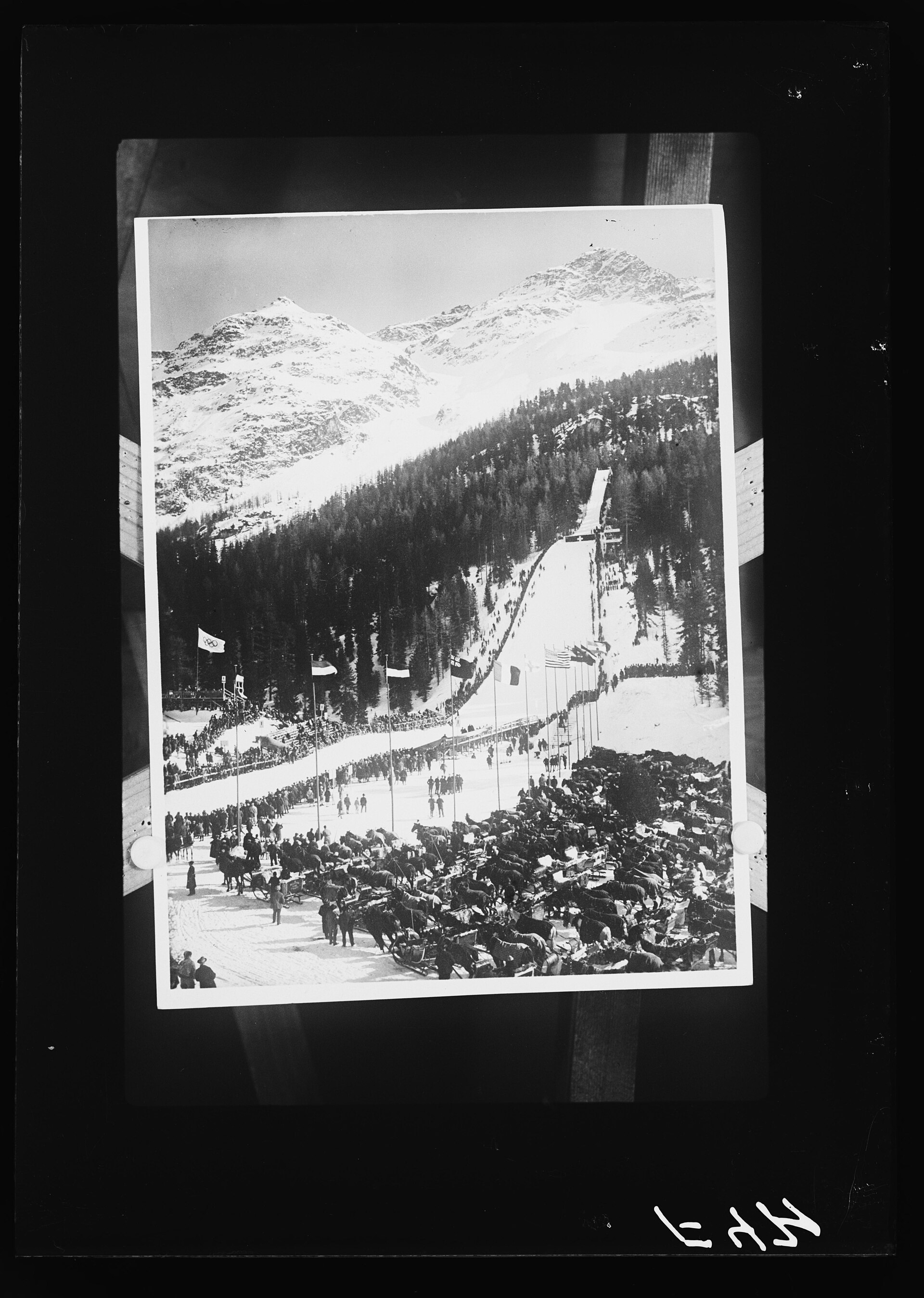
St Moritz has spectacle that Zermatt cannot match in winter. The Cresta Run is a 1.2 kilometre natural ice toboggan chute that riders must qualify to use; spectators watch for free. Frozen lake walking on Lake St Moritz itself is open most of January and February, weather permitting. The Segantini Museum displays the Alpine symbolist paintings of Giovanni Segantini and fills a quiet afternoon. The Muottas Muragl panoramic trail, reached by funicular from Punt Muragl, overlooks the entire Engadin lake plateau. In summer, sailing and windsurfing on Lake Silvaplana replaces the winter events, and Olympic bobsled guest rides run on the track above the resort. For non skiers who want to watch rather than do, St Moritz gives you more to photograph. For non skiers who want to walk out of their hotel and fill a day without a bus timetable, Zermatt is the simpler choice.
Zermatt or St Moritz Summer: Hiking Trails and Lake Seasons Compared
Zermatt Summer: Trails and the Peak
Summer changes the value equation. Zermatt has approximately 400 kilometres of summer hiking trails that radiate from the resort in every direction. The 5 Seenweg trail at Sunnegga is the most accessible: you take the funicular up, then walk a gentle 9 kilometre loop past Leisee, Grünsee, Stellisee, Grindjisee, and Mosjesee with the Matterhorn visible for most of it. The Matterhorn Glacier Paradise viewing platform at 3,883 metres operates year round, and the Gornergrat line continues its runs. Summer is peak season from July to August, so hotels fill fast. The CHF 200 to 400 mid range band can climb higher during these weeks.
St Moritz Summer: Lakes and the Climate
St Moritz summer is about the lakes. Lake Silvaplana, Lake Sils, and Lake Champfèr sit within 15 minutes of the resort and offer windsurfing, sailing, and stand up paddleboarding on open water at 1,800 metres. The region has approximately 580 kilometres of hiking trails across the Engadin valley, which is 45 percent more than Zermatt. The Bernina Express runs from St Moritz to Tirano year round, cutting through the UNESCO Rhaetian Railway section that includes the Brusio spiral viaduct. Summer also avoids the frozen lake polo schedule and the designer shopping crowds that push 5 star hotel rates toward CHF 2,500 and above. Check hotel websites for current peak rates. The Engadin valley averages approximately 322 days of sunshine per year, which the local tourism board calls the champagne climate. That figure is real: St Moritz is noticeably drier than Zermatt, and summer rain is less likely to cancel your hiking day.
Cost Reality: Where Your Swiss Franc Goes and Where it Hurts
The Price Gap Is Real
St Moritz is more expensive across every category. A mid range hotel in winter 2025 runs CHF 250 to 500 compared to Zermatt's CHF 200 to 400. A 5 star hotel in St Moritz starts at CHF 700 and climbs higher, versus Zermatt's CHF 600 to 1,500. Check hotel websites for exact rates; these bands shift with demand. Dinner entrées cost CHF 32 to 55 in St Moritz against CHF 28 to 45 in Zermatt. A cappuccino in St Moritz runs CHF 6.00 to 8.00; in Zermatt it is CHF 5.50 to 7.00. The Engadin Winter Card, included with two or more nights in participating accommodation, covers regional buses and trains but not lifts. Zermatt has no equivalent card that includes accommodation, so you pay for each lift day separately or buy the Peak Pass for multi day coverage.
What a 5 Day Stay Costs
The difference adds up. At Zermatt, budget CHF 100 to 140 per day for a mid range double excluding breakfast. At St Moritz, budget CHF 130 to 180 per day for the same. Add CHF 50 to 80 for lunch and dinner if you eat one meal out, and CHF 55 to 65 for a daily lift pass or a mountain rail ticket. A 6 day lift pass at Zermatt runs CHF 450 to 550; at St Moritz, CHF 400 to 520. The St Moritz price advantage on lift passes disappears once you account for higher accommodation and dining costs. The single best cost saving move for either destination: buy a Swiss Travel Pass before departure. The pass covers unlimited train and bus travel on the SBB network and most private lines including the Rhätische Bahn and Matterhorn Gotthard Bahn, and it cuts mountain rail fares by 50 percent. Without it, a return trip on the Gornergrat line costs CHF 110 to 130, and the Matterhorn Glacier Paradise return costs CHF 100 to 120. Confirm both prices on the operators' sites before you travel.

Nightlife Muted: What to Expect After Dinner
Neither resort is a party destination. Visitors who expect bar districts like those in Zurich Niederdorf will be disappointed. Zermatt après ski runs from 15:00 to 19:00 at Sunnegga and Riffelalp, where outdoor table service with live music is the standard. After dinner, the resort bars stay open but the energy drops by 22:00. Drinks are expensive: a bottle of beer runs CHF 8 to 12, a glass of Valais wine CHF 10 to 15. The dress code is casual; ski wear is accepted in most bars. St Moritz après ski leans towards champagne bars and hotel terrace DJ sets that run later. The smart casual to formal dress code in hotel lounges means you cannot walk in straight from the slopes. A cocktail in a 5 star hotel lounge runs CHF 25 to 35. The White Turf race weeks in February and the frozen lake polo in March draw an international crowd that keeps the Champagne bars busy until midnight. Outside those date windows the resort quiets early. For spontaneous party seekers, skip both resorts and base yourself in Zurich or Lucerne instead.
Multi Generational Families and Luxury Travellers: Who Each Resort Suits
Zermatt for Families and Serious Skiers
Zermatt suits multi generational families who need effortless alpine scenery. The car free streets mean children can walk independently and elderly members do not navigate traffic. The Sunnegga children's areas and the Riffelberg family zones keep young skiers on safe terrain. Summer hiking trails like the 5 Seenweg are gentle enough for a mixed group. The resort is compact enough that a 70 year old and a 7 year old can both reach the Gornergrat station without a shuttle. Serious hikers and skiers who prioritize trail quality over nightlife will also prefer Zermatt because the linked Cervinia territory gives 360 kilometres of pistes and the Theodul Glacier offers year round ski access in spring.
St Moritz for Luxury and Return Visits
St Moritz suits luxury travellers who want five star resort treatment with a formal edge. The Corviglia and Corvatsch ski sectors have ski in ski out accommodation that Zermatt largely lacks; most Zermatt hotels require a walk or taxi to the train. The designer shopping on Via Serlas and the evening dress code in hotel lounges appeal to visitors who treat the Alps as a backdrop rather than the activity. St Moritz also rewards second visit travel: the Bernina Express, the Romansh culture in villages like Sils and Silvaplana, and the summer lake sports give reasons to return that Zermatt does not replicate. The destination is not suitable for budget backpackers, spontaneous party seekers, food driven visitors on a tight budget, or anyone who finds rigid rule following stressful. The single thing that most often goes wrong: visitors book a 7 day trip, split it between both resorts, and spend half their budget on Glacier Express supplements and point to point tickets instead of committing to one experience and buying a Swiss Travel Pass before departure.
Read next
-
 Switzerland eSIM for Hong Kong Travellers and Which Network Actually Works in the Alps
Hong Kong travellers need a Switzerland eSIM that holds signal above 2,000 metres. Swisscom is the only network with true alpine coverage—here is where to buy it and where it still fails.
Switzerland eSIM for Hong Kong Travellers and Which Network Actually Works in the Alps
Hong Kong travellers need a Switzerland eSIM that holds signal above 2,000 metres. Swisscom is the only network with true alpine coverage—here is where to buy it and where it still fails.
-
 Switzerland Hotels Hostels and Mountain Huts What Each Is Actually Like
Swiss accommodation spans CHF 50 hostel dorms to five-star Zermatt resorts—learn what a mountain hut stay actually involves, what half-board means and where families get the best value.
Switzerland Hotels Hostels and Mountain Huts What Each Is Actually Like
Swiss accommodation spans CHF 50 hostel dorms to five-star Zermatt resorts—learn what a mountain hut stay actually involves, what half-board means and where families get the best value.
-
 Switzerland Where to Stay Choosing Your Base for Mountains and Cities
Choose two or three Swiss bases maximum to avoid wasting half-days on mountain transfers—compare Wengen, Lucerne, Zermatt, Grindelwald and Interlaken for families, hikers and first-time visitors.
Switzerland Where to Stay Choosing Your Base for Mountains and Cities
Choose two or three Swiss bases maximum to avoid wasting half-days on mountain transfers—compare Wengen, Lucerne, Zermatt, Grindelwald and Interlaken for families, hikers and first-time visitors.
-
 Switzerland Flights from Hong Kong Direct and Connecting Options Compared
Direct Cathay Pacific and Swiss flights from Hong Kong to Zurich take 12 hours 40 minutes, while Geneva requires a connection—compare fares, seasons and what each route costs in HKD.
Switzerland Flights from Hong Kong Direct and Connecting Options Compared
Direct Cathay Pacific and Swiss flights from Hong Kong to Zurich take 12 hours 40 minutes, while Geneva requires a connection—compare fares, seasons and what each route costs in HKD.
-
 Top Destinations in Switzerland: A Tour of the Must-See Places
Switzerland may be small, but every corner has its own character, from cosmopolitan lakeside cities to car-free mountain villages and Italian-flavoured southern towns. This tour runs through the destinations most Hong Kong travellers put at the top of their list, with a sense of what each offers and
Top Destinations in Switzerland: A Tour of the Must-See Places
Switzerland may be small, but every corner has its own character, from cosmopolitan lakeside cities to car-free mountain villages and Italian-flavoured southern towns. This tour runs through the destinations most Hong Kong travellers put at the top of their list, with a sense of what each offers and
-
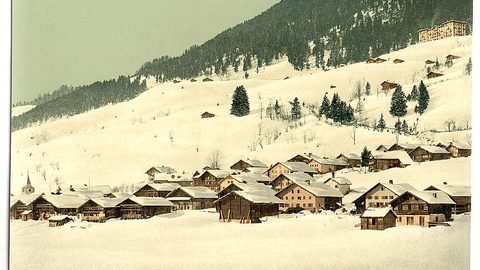 Switzerland in Winter vs Summer: Which Season Should You Choose?
Switzerland is one of those rare destinations that reinvents itself completely with the turning of the seasons. Visit in January and you find a hushed, snow-blanketed wonderland of ski slopes and steaming mountain restaurants. Return in July and the same valleys are green and buzzing, laced with wil
Switzerland in Winter vs Summer: Which Season Should You Choose?
Switzerland is one of those rare destinations that reinvents itself completely with the turning of the seasons. Visit in January and you find a hushed, snow-blanketed wonderland of ski slopes and steaming mountain restaurants. Return in July and the same valleys are green and buzzing, laced with wil
-
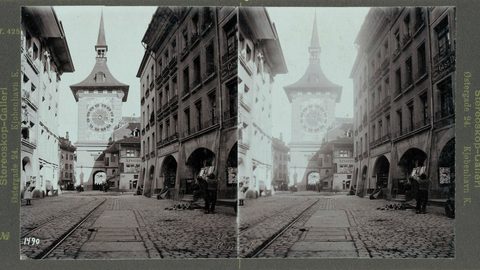 Bern
Bern is the Swiss capital most first-time itineraries skip. The UNESCO arcades, river bears, and 56-minute Zurich train make it the best rain-day city in Switzerland.
Bern
Bern is the Swiss capital most first-time itineraries skip. The UNESCO arcades, river bears, and 56-minute Zurich train make it the best rain-day city in Switzerland.
-
 Lucerne or Interlaken Where to Put Your One Mountain Base
-
 Swiss Travel Pass or Half Fare Card Which Pays for Your Trip
Swiss Travel Pass or Half Fare Card? This cost comparison for Hong Kong travellers breaks down which pass pays for itself on mountain railways, lake boats, and intercity trains.
Swiss Travel Pass or Half Fare Card Which Pays for Your Trip
Swiss Travel Pass or Half Fare Card? This cost comparison for Hong Kong travellers breaks down which pass pays for itself on mountain railways, lake boats, and intercity trains.