Zermatt and the Matterhorn: The Car-Free Village Beneath the Iconic Peak
Of all Switzerland's mountains, none is as instantly recognisable as the Matterhorn, its near-perfect pyramid rising above the car-free village of Zermatt. For Hong Kong travellers, a few days here deliver the quintessential Alpine experience: mountain railways, high viewpoints, world-class trails a
- Flag
-

- ISO code
- CH
- Population
- 5,800
- Currency
- CHF
- Timezone
- Europe/Zurich
Of all Switzerland's mountains, none is as instantly recognisable as the Matterhorn, its near-perfect pyramid rising above the car-free village of Zermatt. For Hong Kong travellers, a few days here deliver the quintessential Alpine experience: mountain railways, high viewpoints, world-class trails and skiing, all in a lively village where no engines disturb the mountain air. This guide covers how to get there, what to see and when to go.
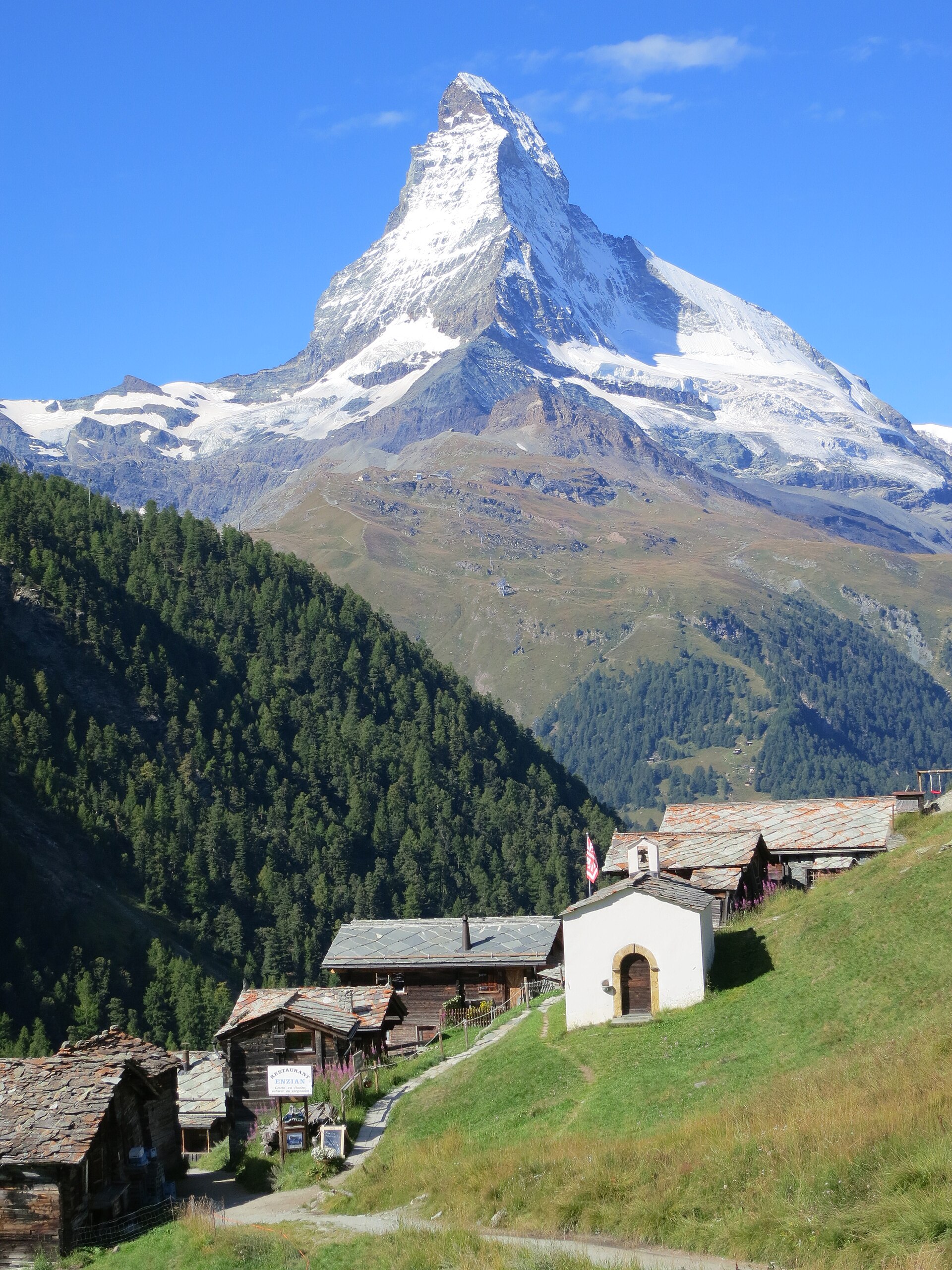

The car-free village
Zermatt banned combustion cars decades ago, and the difference is palpable the moment you arrive. Small electric vehicles and horse-drawn carriages move quietly through the streets, the air stays clean and the sound of the mountains is never drowned out by traffic. The village itself is a pleasure to wander, with chalet-style hotels, traditional timber buildings, cosy restaurants and shops selling everything from Swiss chocolate to serious mountaineering kit. Because you cannot drive in, you leave your car (or, more likely, simply arrive by train) at the gateway town and continue the last stretch by rail.
This car-free character is part of what makes Zermatt so relaxing. You spend your days on foot, on trails or on mountain transport, rather than fighting for parking. It is one of the most atmospheric bases in the Alps, and a natural highlight of any itinerary built around the top destinations in Switzerland.
Despite its remote mountain setting, Zermatt is far from sleepy. It has grown into a lively international resort with a full spread of accommodation, from simple guesthouses to grand hotels, alongside a thriving dining scene that ranges from hearty Alpine dishes such as fondue and raclette to refined restaurants perched at altitude. Evenings bring a convivial buzz to the main street, and there is a strong mountaineering heritage here too, with a museum and monuments recalling the dramatic history of the first ascents of the Matterhorn. Even a rest day spent wandering the village, watching the light change on the peak, feels well spent.
The Matterhorn itself
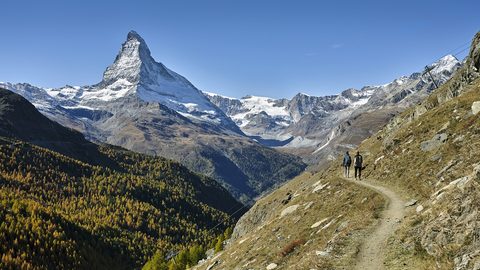
The Matterhorn is the reason most people come. Rising to an altitude of roughly 4,478 metres (treat all figures here as approximate), its distinctive angular shape appears on countless postcards and, famously, on a well-known chocolate bar. You do not need to climb it to appreciate it, and indeed serious ascents are strictly for experienced mountaineers with guides. For everyone else, the joy is in the views, which shift with the light through the day, at their most magical when the first or last sun catches the summit.
The best views come from a series of accessible viewpoints reached by mountain railways and cable cars. On a clear day, the mountain dominates the skyline; when clouds roll in, patience is rewarded, as they often part dramatically.
Part of the Matterhorn's fame comes from its isolation: it stands apart from neighbouring summits, so its silhouette is uninterrupted from many angles. Photographers prize the still mornings when Alpine lakes near the village mirror the peak, creating the double-Matterhorn image seen on so many postcards. You will find that the mountain looks subtly different from every viewpoint, and part of the pleasure of a few days in Zermatt is collecting these perspectives, from glacier terraces to lakeside trails.
The Gornergrat railway and viewpoints
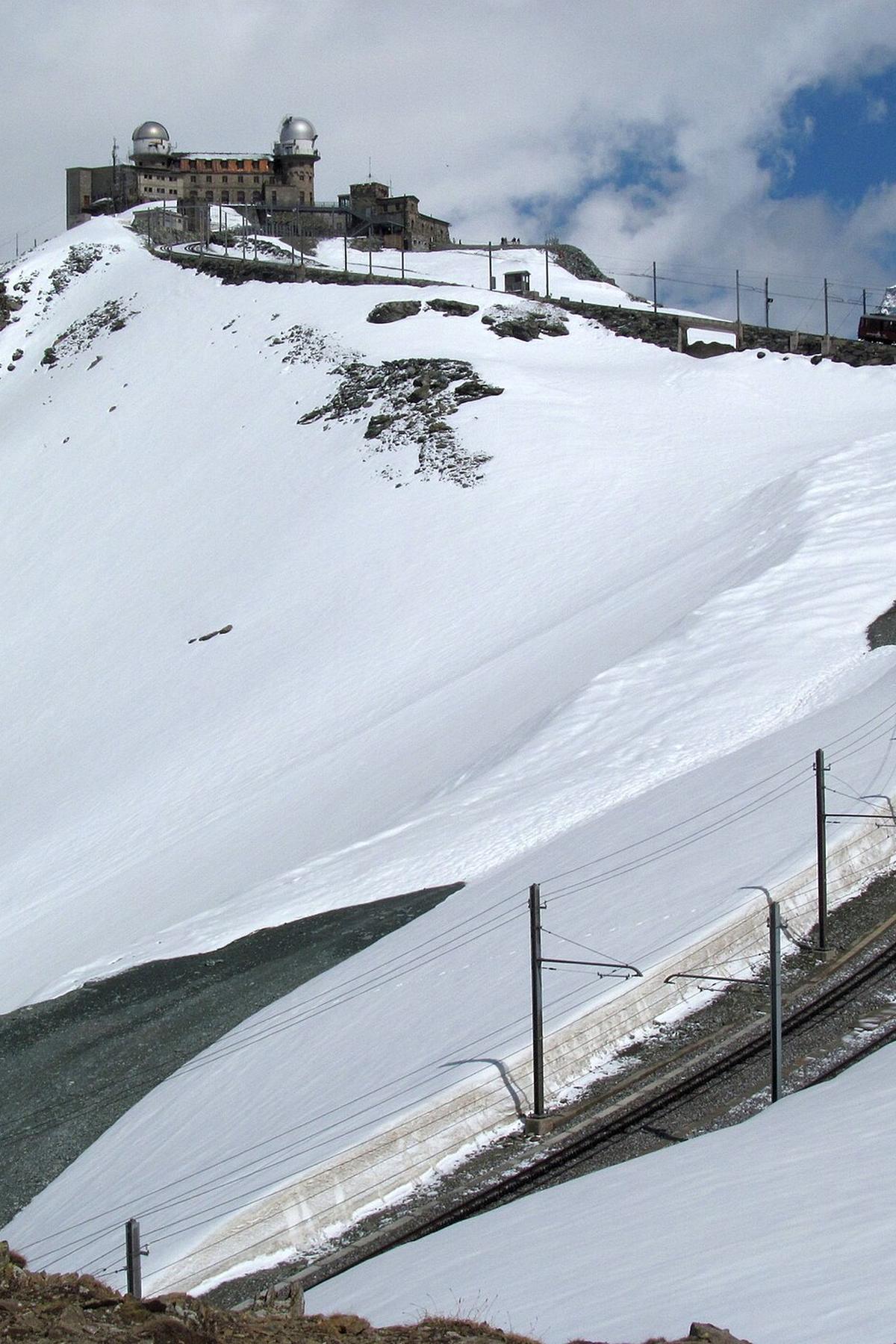
The classic excursion is the Gornergrat cog railway, a mountain train that climbs from the village up to a ridge with a panoramic outlook over the Matterhorn and a sweep of surrounding peaks and glaciers. It is one of the highest open-air railways in Europe and an experience in itself, grinding steadily upward as the scenery unfolds. The summit station has viewing terraces, dining and, on a fine day, a horizon crowded with 4,000-metre peaks.
On the other side of the valley, a cable-car network climbs towards the high glacier area near the Italian border, home to some of the highest lift-served viewpoints in the Alps. Between the railway and the cable cars, you can spend several days simply moving between viewpoints, each offering a different angle on the Matterhorn. Check current schedules, prices and which sections are operating on the official Gornergrat and Zermatt mountain railway websites, as services vary by season and weather.
Skiing and hiking
Skiing
Zermatt is one of Switzerland's premier ski destinations, with extensive slopes, reliable high-altitude snow and glacier skiing that can extend the season well beyond the norm. Runs suit a range of abilities, and the setting, skiing beneath the Matterhorn, is hard to beat. For a wider view of your options, see our guide to skiing in Switzerland's best resorts.
Hiking
In the warmer months, the area transforms into a hiker's paradise, with a huge network of well-marked trails ranging from gentle strolls to demanding high-level routes. Many walks are designed around Matterhorn views, and some link mountain stations so you can ride up and walk down, or vice versa. Lakeside trails offer the famous mirror reflections of the peak on calm mornings. Our guide to hiking the Swiss Alps has more on planning walks safely.

Getting there
Because Zermatt is car-free, almost everyone arrives by train, and the journey is straightforward via Switzerland's excellent rail network. From the main gateway towns, a dedicated mountain railway carries you up the valley into the village. From Zurich or Geneva airport, expect a scenic journey of several hours with one or more easy connections; check exact routings and times on the SBB app. If you are driving elsewhere in Switzerland, you park at the gateway town and take the final leg by train.
Zermatt is also a terminus of one of the world's most celebrated rail journeys, the Glacier Express, which links it with St Moritz across mountain passes and viaducts. Arriving or departing this way turns the transfer into a highlight. Read more in our guide to riding the Glacier Express and scenic trains.
Best time to visit
Zermatt is a genuine year-round destination, but the experience changes with the season.
- Summer: Green trails, long days and full access to hiking and high viewpoints. Ideal for walkers and photographers, and it aligns with Hong Kong's summer holidays.
- Winter: Deep snow, festive atmosphere and prime skiing, though noticeably colder than most Hong Kong visitors are used to.
- Shoulder seasons: Spring and autumn bring fewer crowds and often gentler prices, but some mountain facilities may run reduced services, so check ahead.
Whatever the season, clear weather is everything for Matterhorn views, so build a little flexibility into your plans and keep an eye on mountain forecasts.
Tips for Hong Kong travellers
A few practical notes will make your visit smoother. First, altitude: the high viewpoints sit well above the village, so ascend gradually, stay hydrated and take it easy if you feel light-headed. Second, layers: even in summer, the top stations can be cold and windy, so bring warm clothing and sun protection, as the high-altitude sun is strong. Third, budget: Zermatt is a premium resort, so accommodation, dining and mountain excursions add up; consider self-catering some meals and weigh whether a rail pass helps with your transport costs. Finally, timing your excursions early in the day often means clearer skies and thinner crowds. For the overall trip framework, our complete guide to Switzerland for Hong Kong travellers ties everything together.
Plan your trip
Book accommodation early, especially in peak winter and summer, as Zermatt fills up. Plan your key mountain excursions around the best weather window, and check which railways and cable cars are running for your dates. Pack warm, weatherproof layers and sun protection regardless of season, and download the SBB app for live train times. Confirm current prices, timetables and opening hours on official sources such as MySwitzerland.com, SBB, and the Gornergrat and Zermatt mountain railway websites before you travel, as these change seasonally. Standing before the Matterhorn on a clear morning is a moment few forget, and a little planning ensures you make the most of it.
What to See in Zermatt
Read next
-
 Matterhorn
The Matterhorn hides in cloud 40% of mornings. Here are the exact viewpoints, the best time of day, and the webcam routine that saves you a CHF 100 wasted Gornergrat ticket.
Matterhorn
The Matterhorn hides in cloud 40% of mornings. Here are the exact viewpoints, the best time of day, and the webcam routine that saves you a CHF 100 wasted Gornergrat ticket.
-
 Switzerland eSIM for Hong Kong Travellers and Which Network Actually Works in the Alps
Hong Kong travellers need a Switzerland eSIM that holds signal above 2,000 metres. Swisscom is the only network with true alpine coverage—here is where to buy it and where it still fails.
Switzerland eSIM for Hong Kong Travellers and Which Network Actually Works in the Alps
Hong Kong travellers need a Switzerland eSIM that holds signal above 2,000 metres. Swisscom is the only network with true alpine coverage—here is where to buy it and where it still fails.
-
 Switzerland Hotels Hostels and Mountain Huts What Each Is Actually Like
Swiss accommodation spans CHF 50 hostel dorms to five-star Zermatt resorts—learn what a mountain hut stay actually involves, what half-board means and where families get the best value.
Switzerland Hotels Hostels and Mountain Huts What Each Is Actually Like
Swiss accommodation spans CHF 50 hostel dorms to five-star Zermatt resorts—learn what a mountain hut stay actually involves, what half-board means and where families get the best value.
-
 Switzerland Where to Stay Choosing Your Base for Mountains and Cities
Choose two or three Swiss bases maximum to avoid wasting half-days on mountain transfers—compare Wengen, Lucerne, Zermatt, Grindelwald and Interlaken for families, hikers and first-time visitors.
Switzerland Where to Stay Choosing Your Base for Mountains and Cities
Choose two or three Swiss bases maximum to avoid wasting half-days on mountain transfers—compare Wengen, Lucerne, Zermatt, Grindelwald and Interlaken for families, hikers and first-time visitors.
-
 Switzerland Flights from Hong Kong Direct and Connecting Options Compared
Direct Cathay Pacific and Swiss flights from Hong Kong to Zurich take 12 hours 40 minutes, while Geneva requires a connection—compare fares, seasons and what each route costs in HKD.
Switzerland Flights from Hong Kong Direct and Connecting Options Compared
Direct Cathay Pacific and Swiss flights from Hong Kong to Zurich take 12 hours 40 minutes, while Geneva requires a connection—compare fares, seasons and what each route costs in HKD.
-
 Top Destinations in Switzerland: A Tour of the Must-See Places
Switzerland may be small, but every corner has its own character, from cosmopolitan lakeside cities to car-free mountain villages and Italian-flavoured southern towns. This tour runs through the destinations most Hong Kong travellers put at the top of their list, with a sense of what each offers and
Top Destinations in Switzerland: A Tour of the Must-See Places
Switzerland may be small, but every corner has its own character, from cosmopolitan lakeside cities to car-free mountain villages and Italian-flavoured southern towns. This tour runs through the destinations most Hong Kong travellers put at the top of their list, with a sense of what each offers and
-
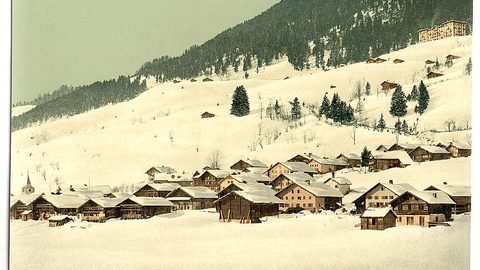 Switzerland in Winter vs Summer: Which Season Should You Choose?
Switzerland is one of those rare destinations that reinvents itself completely with the turning of the seasons. Visit in January and you find a hushed, snow-blanketed wonderland of ski slopes and steaming mountain restaurants. Return in July and the same valleys are green and buzzing, laced with wil
Switzerland in Winter vs Summer: Which Season Should You Choose?
Switzerland is one of those rare destinations that reinvents itself completely with the turning of the seasons. Visit in January and you find a hushed, snow-blanketed wonderland of ski slopes and steaming mountain restaurants. Return in July and the same valleys are green and buzzing, laced with wil
-
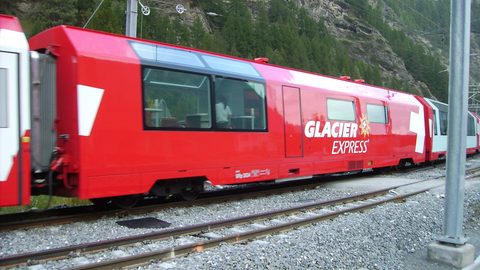 Riding the Glacier Express and Switzerland's Great Scenic Trains
There are countries where the train is simply a way to get from one place to another. Switzerland is not one of them. Here, the railway is the destination in its own right, a slow-moving grandstand seat for some of the most spectacular scenery in Europe. For Hong Kong travellers used to fast, effici
Riding the Glacier Express and Switzerland's Great Scenic Trains
There are countries where the train is simply a way to get from one place to another. Switzerland is not one of them. Here, the railway is the destination in its own right, a slow-moving grandstand seat for some of the most spectacular scenery in Europe. For Hong Kong travellers used to fast, effici
-
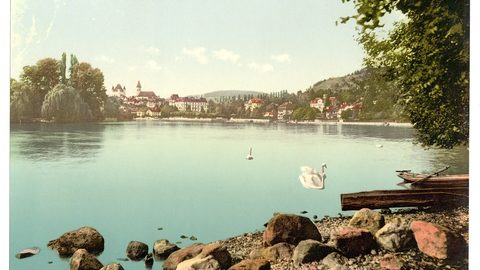 The Swiss Lakes Guide: Cruises, Lakeside Towns and Where to Dive In
Switzerland is a country of mountains, but it is also, gloriously, a country of water. Scattered across the map are lakes of every size and character, from vast, glamorous expanses fringed by vineyards to quiet mountain waters the colour of jade. They are the soul of many of the country's most belov
The Swiss Lakes Guide: Cruises, Lakeside Towns and Where to Dive In
Switzerland is a country of mountains, but it is also, gloriously, a country of water. Scattered across the map are lakes of every size and character, from vast, glamorous expanses fringed by vineyards to quiet mountain waters the colour of jade. They are the soul of many of the country's most belov