Switzerland Facts: Where It Is, Who Lives There, and What Language They Speak
Switzerland facts every Hong Kong traveller needs: where it sits in Europe, its four languages, the Swiss franc currency, and the 8.7 million people across 26 cantons.
.jpg)
On prices: figures on this page were researched in September 2026 and are given as bands, not quotes. Swiss rail pass and mountain railway pricing is revised annually, so check the current fare before you book.
Switzerland Facts Where is it Population Language and the Basics for a Hong Kong Traveller
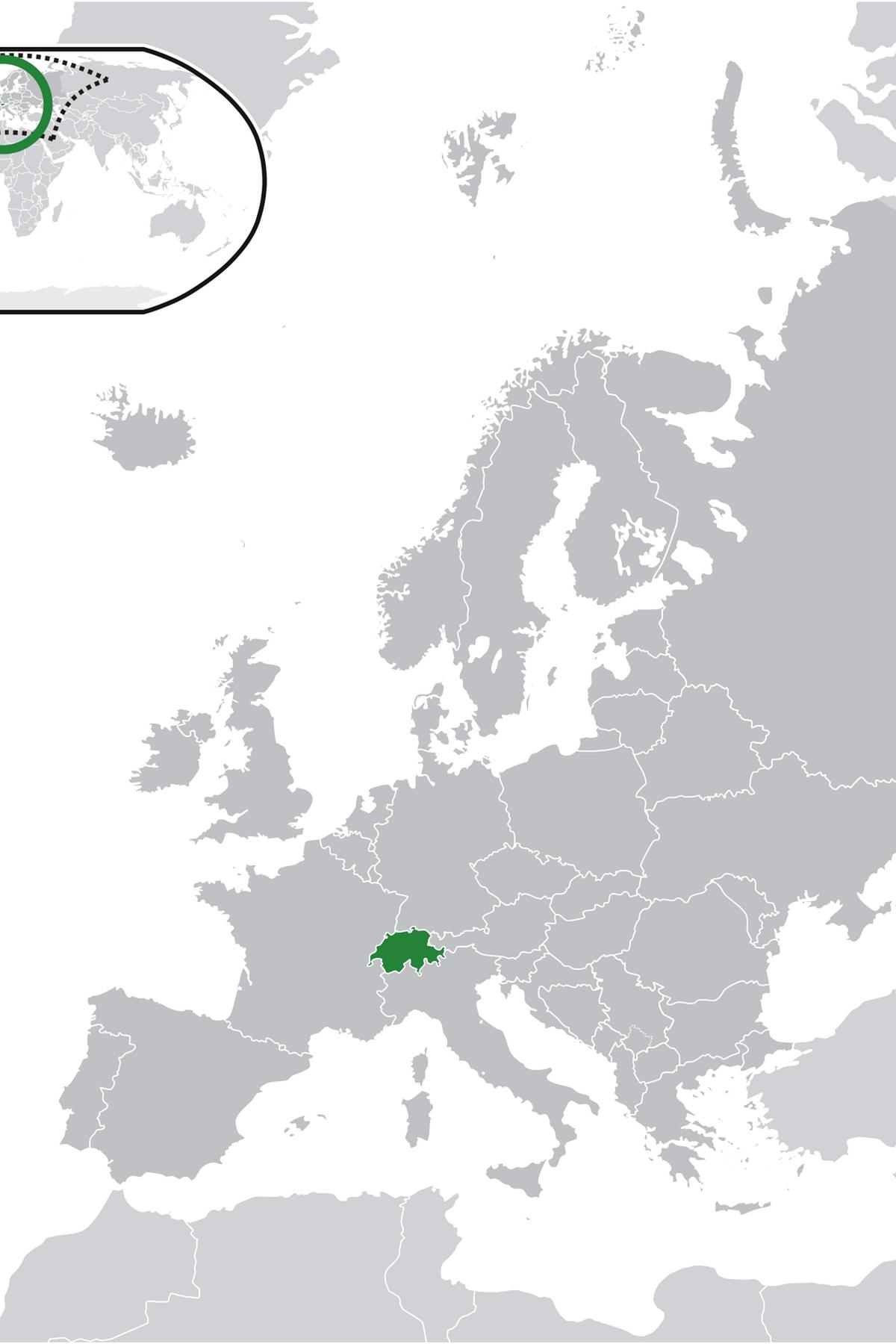
Switzerland is a landlocked country in Central Europe, smaller than Hong Kong alone would suggest, yet its four official languages, currency, and political structure demand you rethink every planning assumption. Switzerland has 8.7 million people, and the Swiss Confederation divides itself into 26 cantons, each with its own character. Bern is the federal city, not the capital in the way Hong Kong uses the word. Zurich is the largest city. The four official languages are German, French, Italian, and Romansh. On the ground, that means restaurant menus shift languages as you cross a canton border, and the road signs shift with them.
The currency is the Swiss franc, code CHF, and it is not the euro. Hong Kong travellers arrive assuming they can spend euros; most places will accept them at a poor exchange rate or refuse entirely. A simple lunch in Switzerland easily costs more than CHF 25, roughly HKD 210. Budget CHF 100 per person per day as a baseline, before any alpine excursions. Check the Swiss National Bank rate online before you travel; prices here are a snapshot.
Switzerland's geography is defined by three regions: the Alps, the Jura range, and the Swiss Plateau where most of the population lives. The Alps cover roughly 60 percent of the country. Lake Geneva, the Matterhorn, and the Jungfrau region are the landmarks most visitors prioritise. The country is in the Schengen Area, which simplifies entry for Hong Kong passport holders, but visa rules are covered on a separate page.
Switzerland Basic Information: What Matters on the Ground
Switzerland operates on direct democracy. That is not a historical footnote: local referendums decide everything from Sunday shopping laws to building heights. Sundays and public holidays shut down even city centre supermarkets. If you arrive on a Sunday without supplies, only railway station Migros or Coop branches are open, and they close by early evening. Weekday supermarket hours run until 18:30, Saturday until 17:00. Plan your grocery shopping around those windows.
Public transport punctuality is real. Swiss Federal Railways, the SBB, runs trains that leave on the exact second displayed. The Swiss Travel System covers trains, postbuses, and lake boats. Buy a Swiss Travel Pass before departure from Klook or an SBB agent in Hong Kong. It covers unlimited consecutive days of travel. The thing that trips visitors up: the pass does not fully cover private alpine railways. Jungfraujoch gets only a 25 percent discount, Gornergrat gets 50 percent. You still pay CHF 100 or more for some peak excursions. Check sbb.ch for current fares before committing.
Tap water is free and safe to drink everywhere. Asking for a glass of tap water in a restaurant without ordering another drink irritates staff. Order a drink, then ask for tap water alongside it. Public toilets cost CHF 1 to 2 and take coins only. Train station toilets are your most reliable fallback.
Switzerland Country Profile: Population, Languages, and Political Quirks
Who Lives Here
Switzerland's population of 8.7 million is roughly the same as Hong Kong's, spread over a much larger area. The religious profile is split between Catholic and Protestant, with a growing number of residents who identify with neither. The permanent neutrality policy means Switzerland has not fought a military conflict since 1815. That shapes everything from banking laws to why the country is not in the European Union despite being in the Schengen Area.
What Languages They Speak
The four official languages are German, French, Italian, and Romansh. Swiss German is the spoken dialect in the German speaking cantons, different enough from standard German that even Germans struggle with it. French dominates the west around Lake Geneva and Montreux. Italian is spoken in the canton of Ticino, around Lugano. Romansh is spoken in parts of Graubünden and is endangered, with fewer than 60,000 speakers. English is widely understood in tourist areas but not universally spoken in smaller villages.
The Political Structure That Affects Your Trip
The cantons have significant autonomy. Liquor licensing, Sunday shopping rules, and school holidays vary between them. The federal city, Bern, holds the parliament and administration. The direct democracy system means you may encounter local votes that close a cable car or change a park's hours during your visit. Check local notices in your hotel lobby.
Switzerland Quick Facts for Travellers: What Hong Kong Visitors Need Now
Arrival and Getting Around
Arrival. Zurich Airport is the primary gateway. Direct Cathay Pacific flights from Hong Kong take 12 hours 40 minutes. Swiss International Air Lines also operates the route. From Zurich Airport, trains to Zurich HB depart every 5 to 10 minutes. The journey takes 10 minutes and costs roughly CHF 7, about HKD 57. Check sbb.ch for the exact fare. Geneva Airport is the alternative but has no direct flights from Hong Kong; you will need a connection.
Getting around. The SBB Mobile app is essential for real time platform changes and ticket purchases. Download it before departure. Trains connect every major city, and the Swiss Travel Pass covers most of them. Mountain transfers eat half days. A common mistake is trying to cover Zurich, Lucerne, Interlaken, Zermatt, and Geneva in a single 7 day trip. The train network is fast, but the alpine legs are slower than they look on a map.
Money, Cards, and Connectivity
Money and cards. Credit card acceptance is near universal in cities, hotels, and restaurants. Mountain huts and some farm shops take only cash. Carry CHF in small denominations, especially 10 and 20 franc notes. Tipping is included in the bill by law. Rounding up is polite. Adding 10 percent marks you as uninformed and is not expected.
Connectivity. Free Wi Fi is widespread in hotels and stations. 4G and 5G coverage drops to zero on some alpine trails. Buy a Swisscom eSIM before departure from Hong Kong via Nomad or Airalo. Swisscom has the best coverage in the high valleys.
Switzerland Geography Overview: Understanding the Regions and Their Real Sizes
The Lay of the Land
Switzerland is landlocked in Central Europe, bordered by Germany, France, Italy, Austria, and Liechtenstein. The geography is dominated by the Alps in the south and center, the Jura range in the northwest, and the Swiss Plateau in between. The plateau is where most people live, including Zurich and Bern. The Alps create the dramatic scenery but also the travel friction: getting from one valley to another takes longer than the straight line distance suggests.
The country is smaller than it feels on a map. Zurich to Geneva is roughly 280 kilometres, about 2 hours 45 minutes by train. Zurich to Zermatt is about 3 hours 30 minutes. The real delay comes from the alpine railways themselves. The Gornergrat Railway takes 33 minutes just for the final ascent. Jungfraujoch, the highest railway station in Europe, costs more than CHF 210 return and requires advance booking. Reserve your spot weeks ahead in peak season. Check jungfrau.ch for current pricing.
The Landmarks That Matter
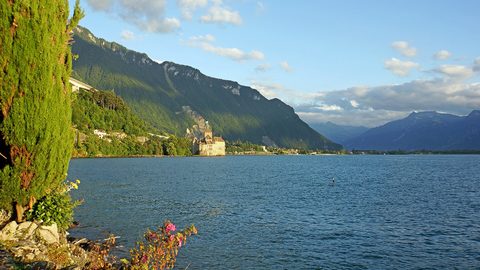
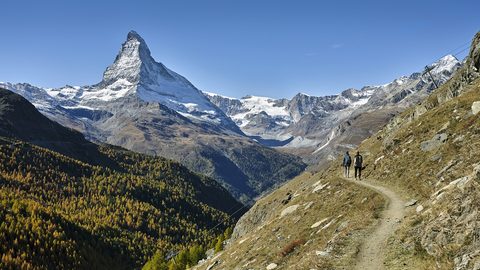
Lake Geneva is the largest lake in the Alps, shared with France. The Matterhorn is the peak that defines the Zermatt skyline. The Aletsch Glacier is the largest Alpine glacier, best viewed from Eggishorn or Bettmerhorn. The Lavaux Vineyards are terraced UNESCO wine slopes above Lake Geneva. Each region has its own microclimate. Pack layers even in July.
What it Actually Costs: a Reality Check for Hong Kong Budgets
Daily Costs, Laid Bare
Switzerland is expensive by any standard, and the cost hits Hong Kong travellers harder than expected because the Swiss franc is strong. A hostel dorm bed runs CHF 50 or more, which is HKD 420. A hotel room in a mid range property in Interlaken or Lucerne starts around CHF 150 per night. A simple lunch of a sandwich and a drink exceeds CHF 25. A fondue meal in a Gruyères village chalet runs CHF 40 per person before wine. These are guide prices; check hotel and restaurant listings for current rates.
The Swiss Travel Pass is the single best value for a visitor doing more than two long distance journeys. It covers unlimited travel on consecutive days and halves the cost of most alpine railways. Buy it before departure, not at the station. The pass does not cover the Glacier Express or Bernina Express fully, but those are covered on a separate page.
When to Go, and for How Long
The minimum for a trip from Hong Kong is 5 full days. Anything less does not justify the 12 hour flight and the CHF 100 plus per person daily cost. Peak season is July through August for hiking and late December through February for ski resorts. Avoid late April to mid May, when alpine lifts and passes close for maintenance between ski and summer seasons. Trails stay muddy and many hotels shut.

Where to Base Yourself: Districts That Match Your Travel Style
Towns for Every Trip
Zurich Niederdorf has medieval alleys, casual dining, and an evening buzz. Useful if you arrive late or depart early from Zurich Airport. Lucerne Old Town has painted facades and the Chapel Bridge, a 14th century covered wooden bridge, free to walk. It is compact and walkable. Interlaken is a functional adventure sports base, not a village to linger in. Use it to access Lauterbrunnen Valley, 20 minutes by train at CHF 7.80 one way. Check sbb.ch for the current fare.
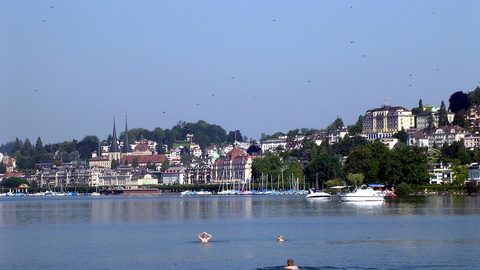
Wengen is a car free family village with Jungfrau views and quiet nights. Zermatt is also car free, has the Matterhorn as its icon, and has eye watering prices. Montreux has a lakeside promenade, a mild microclimate, and jazz heritage. St. Moritz is glitzy, with designer shopping and frozen lake polo in winter. Grindelwald has direct lift access and glacier facing views but is busier than Wengen. Bern Old Town is a UNESCO sandstone arcade with bears in the city ditch. It is an underrated capital that most tourists skip.
| Route | Train Time One Way | One Way Cost CHF |
|---|---|---|
| Lucerne from Zurich | 45 minutes | 25 |
| Bern from Zurich | 56 minutes | 51 |
| Gruyères from Montreux | 1 hour 10 minutes | 30 |
| Lauterbrunnen Valley from Interlaken | 20 minutes | 7.80 |
| Mount Rigi from Lucerne | Boat to Vitznau then cogwheel | Covered by Swiss Travel Pass |
| Schaffhausen and Rhine Falls from Zurich | 40 minutes | 24 |
Local Foods Worth the Price
Dishes to Seek Out
Fondue moitié moitié, half Gruyère half Vacherin, served in a Gruyères village chalet is the experience, not the dish. Zürcher Geschnetzeltes is sliced veal in a cream and white wine sauce with rösti. Birchermüesli is the original soaked oats breakfast, invented in Zurich. Engadiner Nusstorte is a dense caramelised walnut pastry from Graubünden. Papet Vaudois is leek and potato stew with cabbage sausage from canton Vaud. Älplermagronen is alpine macaroni with cheese, potatoes, and apple sauce. Zuger Kirschtorte is a cherry brandy layer cake from Zug. Raclette from a Christmas market street stall, scraped hot onto bread, is the most affordable authentic meal you will find.
Eating on a Budget
Eating out offers poor value compared to Hong Kong. A main course in a mid range restaurant runs CHF 30 to CHF 50. If you are on a tight budget, buy groceries from Migros or Coop and eat picnic lunches. Swiss supermarkets sell good bread, cheese, cured meat, and Birchermüesli portions at a fraction of restaurant prices.
The One Thing That Most Often Goes Wrong
The Itinerary Trap
The most common mistake Hong Kong travellers make is trying to cover too much ground. Switzerland's train network is fast, but mountain transfers eat half days. A single day that looks like Zurich morning, Lucerne afternoon, Interlaken evening is impossible. Each transfer requires packing, checking out, waiting for the train, riding, and checking in again. Add an alpine railway to Zermatt or Jungfraujoch, and that day is gone entirely.
Plan for 5 days minimum. Use a hub and spoke model: base yourself in one region, take day trips by train, and unpack only once. If you have 7 days, split between two regions, not five. The failure case is exhausted and over budget on point to point tickets you could have covered with a Swiss Travel Pass. Buy the pass first, then plan the itinerary around what it covers fully. Accept that some excursions will cost extra. Check sbb.ch for current fares before you commit to anything.
Read next
-
 Switzerland eSIM for Hong Kong Travellers and Which Network Actually Works in the Alps
Hong Kong travellers need a Switzerland eSIM that holds signal above 2,000 metres. Swisscom is the only network with true alpine coverage—here is where to buy it and where it still fails.
Switzerland eSIM for Hong Kong Travellers and Which Network Actually Works in the Alps
Hong Kong travellers need a Switzerland eSIM that holds signal above 2,000 metres. Swisscom is the only network with true alpine coverage—here is where to buy it and where it still fails.
-
 Switzerland Hotels Hostels and Mountain Huts What Each Is Actually Like
Swiss accommodation spans CHF 50 hostel dorms to five-star Zermatt resorts—learn what a mountain hut stay actually involves, what half-board means and where families get the best value.
Switzerland Hotels Hostels and Mountain Huts What Each Is Actually Like
Swiss accommodation spans CHF 50 hostel dorms to five-star Zermatt resorts—learn what a mountain hut stay actually involves, what half-board means and where families get the best value.
-
 Switzerland Where to Stay Choosing Your Base for Mountains and Cities
Choose two or three Swiss bases maximum to avoid wasting half-days on mountain transfers—compare Wengen, Lucerne, Zermatt, Grindelwald and Interlaken for families, hikers and first-time visitors.
Switzerland Where to Stay Choosing Your Base for Mountains and Cities
Choose two or three Swiss bases maximum to avoid wasting half-days on mountain transfers—compare Wengen, Lucerne, Zermatt, Grindelwald and Interlaken for families, hikers and first-time visitors.
-
 Switzerland Flights from Hong Kong Direct and Connecting Options Compared
Direct Cathay Pacific and Swiss flights from Hong Kong to Zurich take 12 hours 40 minutes, while Geneva requires a connection—compare fares, seasons and what each route costs in HKD.
Switzerland Flights from Hong Kong Direct and Connecting Options Compared
Direct Cathay Pacific and Swiss flights from Hong Kong to Zurich take 12 hours 40 minutes, while Geneva requires a connection—compare fares, seasons and what each route costs in HKD.
-
 Top Destinations in Switzerland: A Tour of the Must-See Places
Switzerland may be small, but every corner has its own character, from cosmopolitan lakeside cities to car-free mountain villages and Italian-flavoured southern towns. This tour runs through the destinations most Hong Kong travellers put at the top of their list, with a sense of what each offers and
Top Destinations in Switzerland: A Tour of the Must-See Places
Switzerland may be small, but every corner has its own character, from cosmopolitan lakeside cities to car-free mountain villages and Italian-flavoured southern towns. This tour runs through the destinations most Hong Kong travellers put at the top of their list, with a sense of what each offers and
-
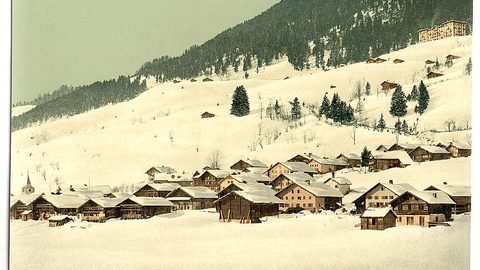 Switzerland in Winter vs Summer: Which Season Should You Choose?
Switzerland is one of those rare destinations that reinvents itself completely with the turning of the seasons. Visit in January and you find a hushed, snow-blanketed wonderland of ski slopes and steaming mountain restaurants. Return in July and the same valleys are green and buzzing, laced with wil
Switzerland in Winter vs Summer: Which Season Should You Choose?
Switzerland is one of those rare destinations that reinvents itself completely with the turning of the seasons. Visit in January and you find a hushed, snow-blanketed wonderland of ski slopes and steaming mountain restaurants. Return in July and the same valleys are green and buzzing, laced with wil
-
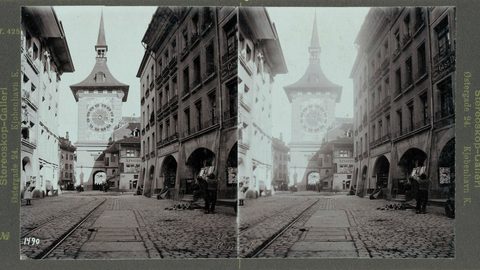 Bern
Bern is the Swiss capital most first-time itineraries skip. The UNESCO arcades, river bears, and 56-minute Zurich train make it the best rain-day city in Switzerland.
Bern
Bern is the Swiss capital most first-time itineraries skip. The UNESCO arcades, river bears, and 56-minute Zurich train make it the best rain-day city in Switzerland.
-
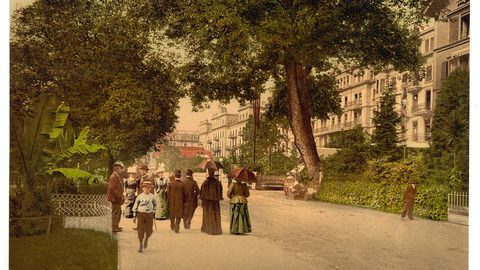 Lucerne or Interlaken Where to Put Your One Mountain Base
-
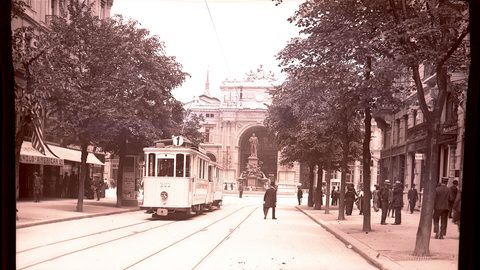 Swiss Travel Pass or Half Fare Card Which Pays for Your Trip
Swiss Travel Pass or Half Fare Card? This cost comparison for Hong Kong travellers breaks down which pass pays for itself on mountain railways, lake boats, and intercity trains.
Swiss Travel Pass or Half Fare Card Which Pays for Your Trip
Swiss Travel Pass or Half Fare Card? This cost comparison for Hong Kong travellers breaks down which pass pays for itself on mountain railways, lake boats, and intercity trains.