Why Zurich Is Worth More Than a Single Night After You Land from Hong Kong
Zurich rewards more than a single jet-lagged night. From Niederdorf evening buzz to lakefront swims, here is why the arrival city earns two days before you rush to the Alps.
- Flag
-
- ISO code
- CH
- Population
- 415,367
- Currency
- CHF
- Timezone
- Europe/Zurich
The 18:47 Train from Zurich Airport and the Mistake Most Hong Kong Travellers Make
You step off a 13 hour Cathay Pacific flight at ZRH, collect your bag, and ride the 10 minute SBB train to Zurich HB. By 18:47 you are standing on Bahnhofstrasse with a hotel key in your pocket and a body that thinks it is 00:47 in Hong Kong. The standard itinerary says: drop the bag, eat something, sleep, catch the 07:00 train to Lucerne. That itinerary is wrong. Zurich more than one night is what your first two days in Europe need. The reason has nothing to do with sightseeing quotas.
Why Zurich More Than One Night is the Right Call for Your First 48 Hours
Zurich sits at 408 metres above sea level. That low altitude is the single most useful fact for any traveller arriving from Hong Kong after a 12 hour flight. Lucerne, Interlaken and Zermatt all sit higher. The mountain exertion you have planned for days three through seven will punish a body that has not recalibrated. Zurich gives you a gentle acclimatisation zone where you can walk a flat old town, swim in a river that stays at 19 to 24 degrees Celsius in summer, and sleep at an elevation that does not interfere with jet lag recovery. You are not delaying your trip. You are protecting the rest of it.
First Evening in the Old Town
Use the first evening for the Niederdorf quarter. This medieval alley district runs parallel to the Limmat River and fills with warmth as the street lights come on. The restaurants here serve Zürcher Geschnetzeltes sliced veal in cream and white wine sauce with rösti in guild houses built when the city was still a trading post on the water. No Alpine village replicates that dinner. The dish was invented in Zurich. Order it with a glass of Müller Thurgau and let 22:00 local time feel like a manageable hour to be awake. Your body will thank you on day four when you are standing on a trail at 2,000 metres without a headache.
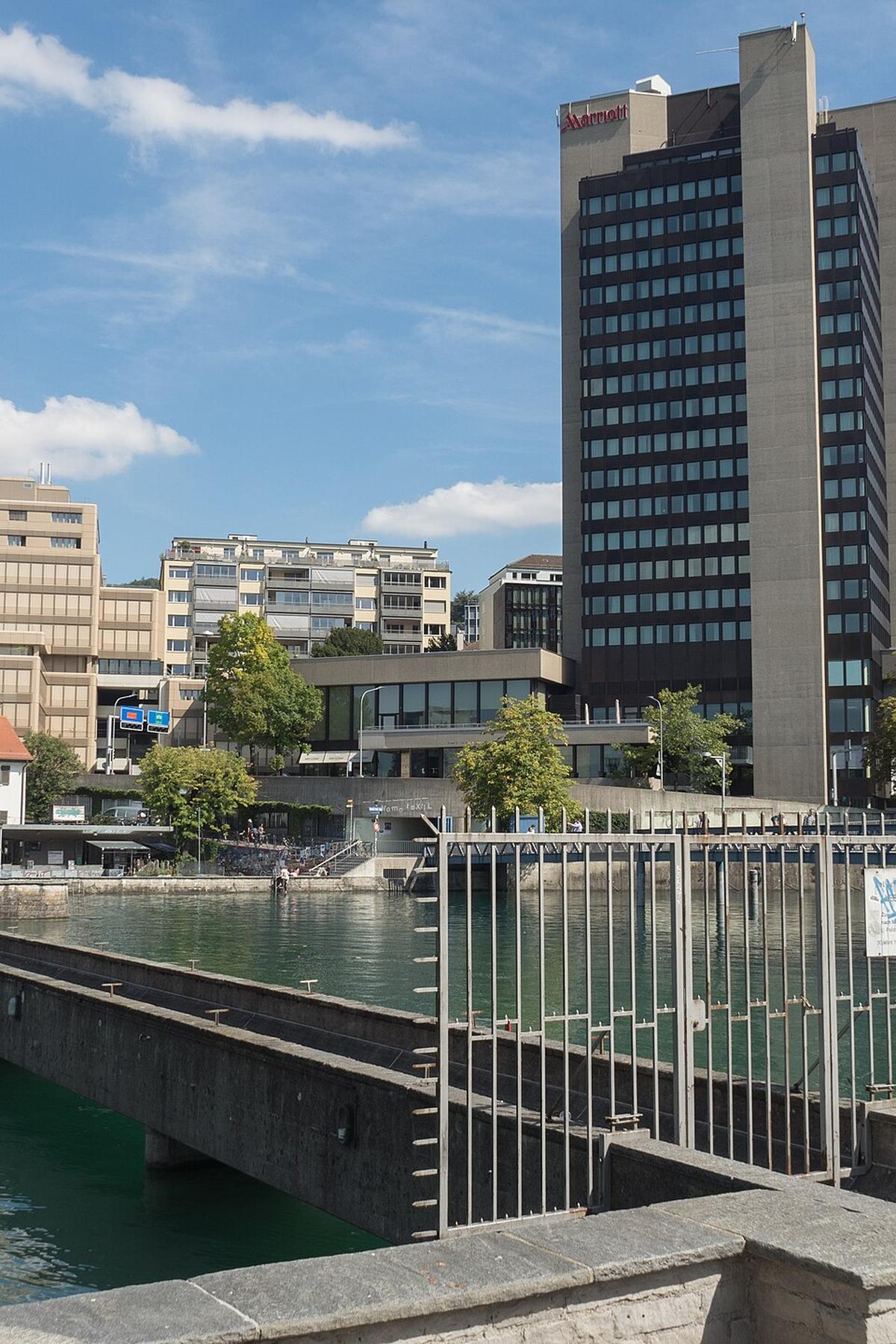

Zurich Itinerary 2 Days: What the First Morning Should Look Like
A two day Zurich itinerary should not try to cover everything. Start on day two with the Polybahn funicular from Central station up to the ETH Polyterasse view. The ride takes less than a minute and costs the same as a normal tram ticket, which is covered by the Swiss Travel Pass you bought before departure from Klook or an SBB agent in Hong Kong. The terrace overlooks the whole city, the lake, and on a clear morning the Alps on the southern horizon. Stand there for five minutes before the crowd arrives at 09:30.
Downhill Through History to the Towers
Walk downhill through the old town using the Limmat River. Cross at Rathausbrücke, then follow the eastern bank south to Lindenhof hill. This flat, tree covered square was a Roman fort and later a medieval castle site. It is also one of the few places in central Zurich where you can sit on a bench without spending money. From there, cut through the narrow streets to Grossmünster and climb the towers. The Karlsturm staircase is steep and narrow. The reward is a view straight down the Limmat to the lake. Do this before 11:00. The tower gets congested by noon.
Zurich Things to Do Beyond the Postcard Clichés
Most lists of Zurich things to do stop at the Kunsthaus and the Swiss National Museum. Both are excellent. The Kunsthaus holds a major Munch collection outside Oslo. The Swiss National Museum, housed in a fairy tale castle opposite Zurich HB, gives you a rapid education in why Swiss neutrality is older than the country itself. But the thing Zurich does better than any Swiss city is water. The Lake Zurich promenade from Bürkliplatz east to Tiefenbrunnen is a continuous 3 kilometre walk past swimming docks, paddleboard rentals and sunbathers on timber platforms. The water is clean enough to drink. Locals do exactly that at the public fountains along the way.
Swim Where the City Swims
For a proper soak, go to Flussbad Oberer Letten, a free entry facility on the Limmat. The current runs gently. The timber decks fill with Zurich's office workers after 17:00. Water temperature in July and August sits at 22 degrees. Bring a towel and a coin for the locker. The lockers take a small coin and the card machine at the entrance accepts credit. Do not expect lounge chairs or waiter service. This is a working city's swimming spot, not a resort pool.
Zurich Niederdorf: Where Zurich Lets Its Guard Down
The old town quarter of Niederdorf contradicts the reputation. Swiss reserve exists. It will show up on Langstrasse if you are looking for loud nightlife on a Tuesday. But this warren of cobbled streets between Central and the Limmatquai runs on a different energy. By 18:00 on a Friday, every outdoor table is taken. The crowd is young, mixed, and eating pizza at casual prices rather than the guild house rates. That is the split. Book one dinner in a guild house for the Zürcher Geschnetzeltes ritual. Eat your other meals in this district at places where the menu is handwritten on a blackboard and the cash only policy is printed in small type on the door.
The Noise and the Quiet After
The weakness of the quarter is that it gets loud. The alleys channel sound. Bars that stay open past midnight sit directly above apartments. By 23:00 the street noise makes conversation a strain. That is fine. You are jet lagged anyway. Walk back to your hotel along the Limmat where the only sound is the weirs, and sleep with the window open. The city centre is quiet after midnight. You cannot say that about Hong Kong.
Zurich Arrival City Switzerland: the Practical Reality of Landing
Hong Kong has MTR and Octopus cards. Zurich has SBB trains and the SBB Mobile app. Download it before you leave Hong Kong. The station Wi Fi at Zurich HB will not help you while you are walking from the platform to the concourse. The train from ZRH to Zurich HB runs up to 13 times per hour at peak, takes 9 to 13 minutes, and costs CHF 6.80. A taxi costs around CHF 60 and takes the same time because the airport is 8 kilometres from the city centre. Take the train. The SBB platform signs are clear, the carriages have luggage racks, and the ride passes through the Oerlikon district which is unremarkable.
The Sunday Trap and How to Beat It
The harder reality hits on a Sunday. Shops in Zurich close entirely. Supermarkets shut. Arriving on a Sunday afternoon and expecting to buy a bottle of water and a sandwich within walking distance of your hotel fails by 14:00. The only open shop is at Zurich HB station. Plan around this. Buy a Birchermüesli and a bag of apples at the station Migros before you leave the concourse. The original soaked oats breakfast was invented by a Zurich physician named Maximilian Bircher Benner. The version sold in plastic tubs at the station is better than most hotel breakfast buffets.
Why Two Nights in Zurich Beats Rushing to the Mountains
The common mistake is trying to cover Zurich, Lucerne, Interlaken, Zermatt and Geneva in a single seven day trip. Switzerland's train network is fast, but mountain transfers eat half days. Zurich functions as the soft landing. You can walk the old town, climb the Grossmünster towers, float in the Limmat, eat the local dish, and still have time for a day trip to Rhine Falls. The boat service operates from April to October. That day trip takes 50 minutes each way by train and costs roughly CHF 24 one way. It leaves you back in Zurich by 17:00 for a second evening in the old town.
Then you go to the mountains. By day three your body has adjusted to the 6 hour time difference between HKT and CEST. You have eaten real food at real hours. You know how Swiss credit card acceptance works universally in cities but fails in some mountain huts and smaller farm shops where only cash in CHF works. You have learned to carry coins for the public toilets. That knowledge is the difference between a trip that glides and a trip that bleeds time and money. Two nights in Zurich before the mountains is not a luxury. It is a strategy.
_01.jpg)
Zurich on a Budget: What Actually Costs and What Does Not
Zurich is expensive. A simple lunch exceeds CHF 25. Eating out offers poor value compared to Hong Kong, and no honest guide pretends otherwise. But there are genuine free things. The Lindenhof hill costs nothing. Grossmünster entry is free; only the tower climb costs. The Lake Zurich promenade is free and runs the entire 1.4 kilometre length of Bahnhofstrasse from the station down to the water. Flussbad Oberer Letten entry was free in 2025, though you should verify the current rate before you go. The Kunsthaus costs money on weekdays but offers free entry on the first Wednesday of each month. Check the schedule before you book your dates.
Pass Prices and What They Unlock
Swiss Travel Pass prices change annually. Check the SBB website for the current rates. The pass covers city transport, which in Zurich means trams, buses and the S10 train up to Uetliberg mountain. The Uetliberg summit sits at 869 metres, the observation tower adds another 30 metres, and the view from the top on a clear morning is worth the 20 minute ride. The S10 departs from Zurich HB. Do not take a taxi. The fare is included in your pass.
The District’s Weakness: What Zurich Cannot Give You
Zurich is not good at spontaneity. The shopping hours are rigid. Supermarkets close by 18:30 on weekdays, 17:00 on Saturdays, and shut entirely on Sundays. The only exceptions are the railway station Migros and Coop branches, which stay open later. If you arrive on a Sunday without provisions, those two shops are your only option. The nightlife is muted and expensive. Langstrasse has energy on Friday and Saturday nights, but the cover charges are high and the crowd is self selecting. The city is not suited to budget backpackers, spontaneous party seekers, or anyone who finds rigid rule following stressful rather than reassuring. Sunday in Zurich is quiet. If that sounds like a problem, book your first two nights in Lucerne instead.
For everyone else, Zurich delivers exactly what you need after a 12 hour flight: a safe, clean, walkable city where the water is drinkable, the trains run on time, and the local dish fills a gap no cheese fondue in a Gruyères village chalet can touch. Two nights. That is the minimum. Anything less is a transaction, not a welcome.
| Time Block | Activity | Cost | Why This Matters |
|---|---|---|---|
| Day 1, 18:00 | Old town dinner, Zürcher Geschnetzeltes with rösti | CHF 30–45 per person | Local dish you cannot replicate in an Alpine village |
| Day 2, 08:30 | Polybahn funicular to ETH Polyterasse view | CHF 0 with Swiss Travel Pass | Best overview of Zurich and Alps on a clear morning |
| Day 2, 10:00 | Grossmünster towers climb | CHF 5 | View down the Limmat to the lake, done before crowds |
| Day 2, 15:00 | Flussbad Oberer Letten swim | Free entry | River swimming at 22 degrees, local ritual, zero tourist markup |
| Day 3, 09:00 | Train to Lucerne, Bern or Rhine Falls | CHF 25 one way to Lucerne | Day trip from Zurich before heading to the mountains |
What to See in Zürich
Common Questions
Is one night in Zurich enough after flying from Hong Kong?
One night is a transit corridor. Two nights minimum gives your body time to adjust to the 6 hour time difference, lets you eat a proper dinner in the old town, and protects the rest of your trip from jet lag failure.
What should I do on my first evening in Zurich?
Skip the hotel restaurant. Walk to the Niederdorf quarter, find a guild house with outdoor tables on the Limmat River, order Zürcher Geschnetzeltes with rösti, and drink a glass of local white wine. Be in bed by 22:00 local time.
Where can I swim in Zurich without paying?
Flussbad Oberer Letten on the Limmat is free entry. The water runs at 22 degrees in summer. Bring a towel, a coin for the locker, and prepare for current. It is a river, not a pool.
Is Zurich worth visiting before the mountains?
Yes. Zurich sits at 408 metres. That low altitude allows gentle jet lag recovery without the altitude stress you will face in Lucerne, Interlaken or Zermatt. It is the soft landing before the exertion.
Read next
-
 Rhine Falls
 is the easiest big day trip from Zurich—40 minutes by train, CHF 24 one-way. Here is which station to use, when the basin boat runs, and how soaked you will get.
Rhine Falls
Rhine Falls is the easiest big day trip from Zurich—40 minutes by train, CHF 24 one-way. Here is which station to use, when the basin boat runs, and how soaked you will get.
-
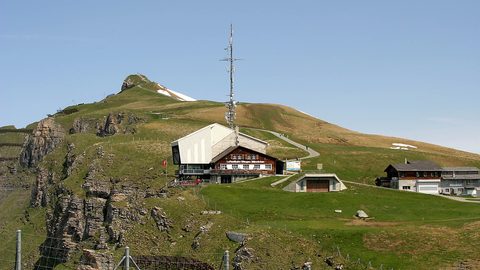 Switzerland eSIM for Hong Kong Travellers and Which Network Actually Works in the Alps
Hong Kong travellers need a Switzerland eSIM that holds signal above 2,000 metres. Swisscom is the only network with true alpine coverage—here is where to buy it and where it still fails.
Switzerland eSIM for Hong Kong Travellers and Which Network Actually Works in the Alps
Hong Kong travellers need a Switzerland eSIM that holds signal above 2,000 metres. Swisscom is the only network with true alpine coverage—here is where to buy it and where it still fails.
-
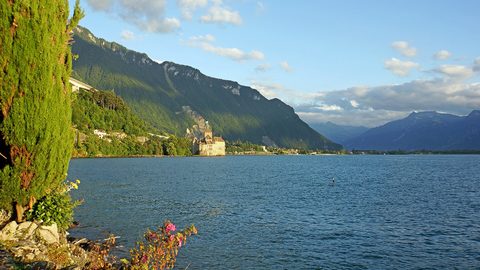 Switzerland Hotels Hostels and Mountain Huts What Each Is Actually Like
Swiss accommodation spans CHF 50 hostel dorms to five-star Zermatt resorts—learn what a mountain hut stay actually involves, what half-board means and where families get the best value.
Switzerland Hotels Hostels and Mountain Huts What Each Is Actually Like
Swiss accommodation spans CHF 50 hostel dorms to five-star Zermatt resorts—learn what a mountain hut stay actually involves, what half-board means and where families get the best value.
-
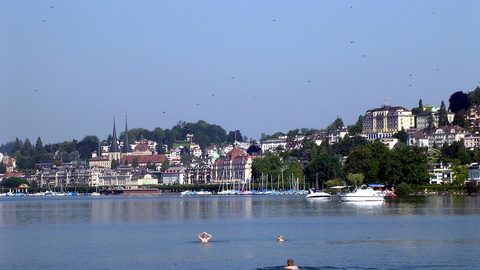 Switzerland Where to Stay Choosing Your Base for Mountains and Cities
Choose two or three Swiss bases maximum to avoid wasting half-days on mountain transfers—compare Wengen, Lucerne, Zermatt, Grindelwald and Interlaken for families, hikers and first-time visitors.
Switzerland Where to Stay Choosing Your Base for Mountains and Cities
Choose two or three Swiss bases maximum to avoid wasting half-days on mountain transfers—compare Wengen, Lucerne, Zermatt, Grindelwald and Interlaken for families, hikers and first-time visitors.
-
 Switzerland Flights from Hong Kong Direct and Connecting Options Compared
Direct Cathay Pacific and Swiss flights from Hong Kong to Zurich take 12 hours 40 minutes, while Geneva requires a connection—compare fares, seasons and what each route costs in HKD.
Switzerland Flights from Hong Kong Direct and Connecting Options Compared
Direct Cathay Pacific and Swiss flights from Hong Kong to Zurich take 12 hours 40 minutes, while Geneva requires a connection—compare fares, seasons and what each route costs in HKD.
-
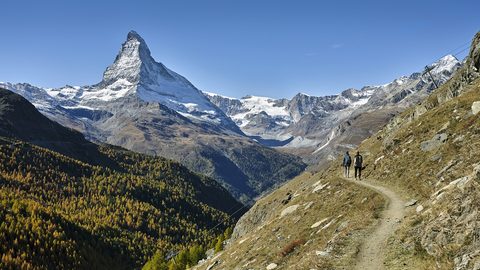 Top Destinations in Switzerland: A Tour of the Must-See Places
Switzerland may be small, but every corner has its own character, from cosmopolitan lakeside cities to car-free mountain villages and Italian-flavoured southern towns. This tour runs through the destinations most Hong Kong travellers put at the top of their list, with a sense of what each offers and
Top Destinations in Switzerland: A Tour of the Must-See Places
Switzerland may be small, but every corner has its own character, from cosmopolitan lakeside cities to car-free mountain villages and Italian-flavoured southern towns. This tour runs through the destinations most Hong Kong travellers put at the top of their list, with a sense of what each offers and
-
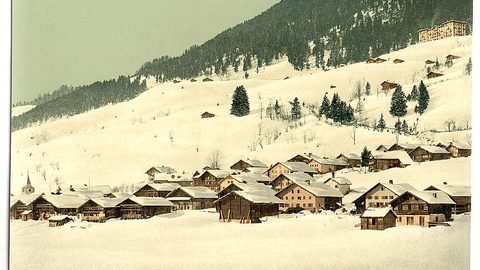 Switzerland in Winter vs Summer: Which Season Should You Choose?
Switzerland is one of those rare destinations that reinvents itself completely with the turning of the seasons. Visit in January and you find a hushed, snow-blanketed wonderland of ski slopes and steaming mountain restaurants. Return in July and the same valleys are green and buzzing, laced with wil
Switzerland in Winter vs Summer: Which Season Should You Choose?
Switzerland is one of those rare destinations that reinvents itself completely with the turning of the seasons. Visit in January and you find a hushed, snow-blanketed wonderland of ski slopes and steaming mountain restaurants. Return in July and the same valleys are green and buzzing, laced with wil
-
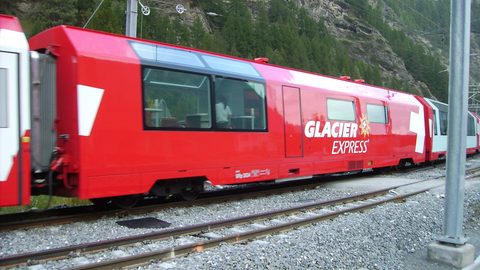 Riding the Glacier Express and Switzerland's Great Scenic Trains
There are countries where the train is simply a way to get from one place to another. Switzerland is not one of them. Here, the railway is the destination in its own right, a slow-moving grandstand seat for some of the most spectacular scenery in Europe. For Hong Kong travellers used to fast, effici
Riding the Glacier Express and Switzerland's Great Scenic Trains
There are countries where the train is simply a way to get from one place to another. Switzerland is not one of them. Here, the railway is the destination in its own right, a slow-moving grandstand seat for some of the most spectacular scenery in Europe. For Hong Kong travellers used to fast, effici
-
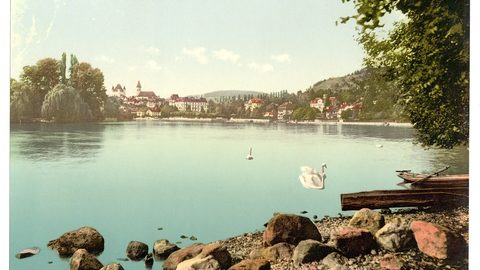 The Swiss Lakes Guide: Cruises, Lakeside Towns and Where to Dive In
Switzerland is a country of mountains, but it is also, gloriously, a country of water. Scattered across the map are lakes of every size and character, from vast, glamorous expanses fringed by vineyards to quiet mountain waters the colour of jade. They are the soul of many of the country's most belov
The Swiss Lakes Guide: Cruises, Lakeside Towns and Where to Dive In
Switzerland is a country of mountains, but it is also, gloriously, a country of water. Scattered across the map are lakes of every size and character, from vast, glamorous expanses fringed by vineyards to quiet mountain waters the colour of jade. They are the soul of many of the country's most belov