Swiss Francs, Cards and What to Do About Currency When Travelling from Hong Kong
Switzerland runs on cards but mountain huts and farm shops still demand Swiss francs—learn how much cash to bring from Hong Kong, how tipping works and where to get CHF.
On prices: figures on this page were researched in September 2026 and are given as bands, not quotes. Swiss rail pass and mountain railway pricing is revised annually, so check the current fare before you book.
Swiss Francs, Cards and What to Do About Currency When Travelling from Hong Kong
You land at Zurich Flughafen after a 12 hour 40 minute flight from Hong Kong. You need a train ticket to Zurich HB, the main station. The machine accepts your Visa card tap, no PIN required for purchases under a threshold set by the terminal network. You board a train that departs in four minutes. For the next week, you will barely touch cash. That is the Swiss reality for 95% of your transactions. The question of Switzerland money Swiss francs cards is not whether cards work. They work everywhere except the few places that will strand you without a franc.
Swiss Franc HKD Exchange Rate: What Your Hong Kong Dollar Buys
One Swiss franc costs approximately 8.93 HKD as of September 2026. One Hong Kong dollar buys roughly 0.112 CHF. Those rates move daily. Unlike the euro or the US dollar, the Swiss franc trades in a narrow band, so you do not need to time your exchange to a specific day. What matters is the gap between the mid market rate and the rate a provider gives you.
Benchmark Costs
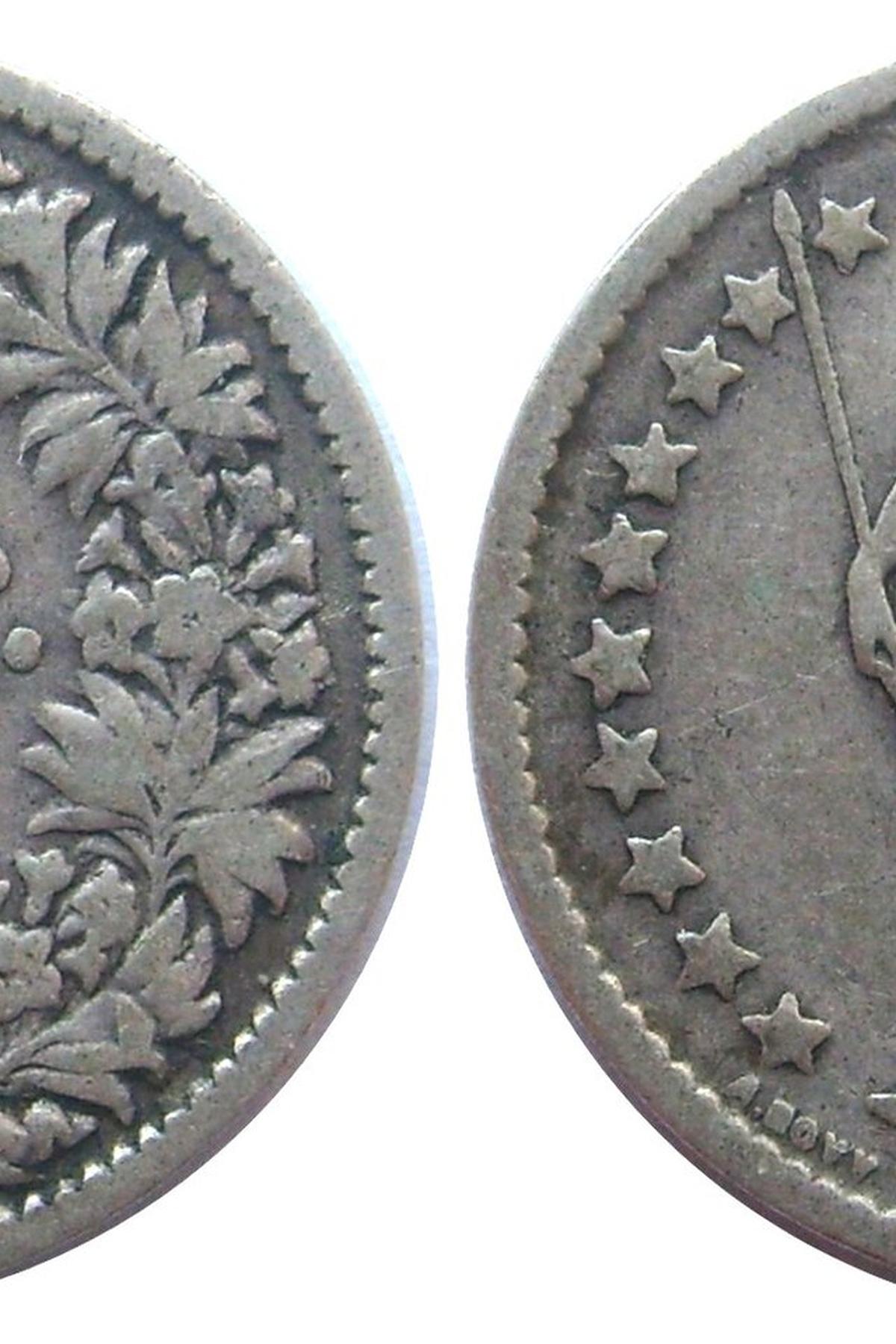
A simple lunch in Switzerland runs over CHF 25, or HKD 210. A hostel dorm costs CHF 50 or more, which is HKD 420. A return train ticket to Jungfraujoch costs over CHF 210, over HKD 1,870. Seeing these numbers in HKD before you travel changes your budget planning. The conversion stings less if you account for it before departure.
.jpg)
Cash or Card in Switzerland? the 95% Rule
Use your card for nearly everything. Visa and Mastercard are accepted at nearly all urban shops, restaurants, hotels, and public transport ticket machines. Intercity trains accept cards for onboard purchases. Ticket machines at railway stations accept contactless payments up to a limit set by the card issuer without a PIN. Amex acceptance is patchy, so do not rely on it. UnionPay is accepted only at some luxury retailers and large department stores.
Dynamic currency conversion, or DCC, is the trap. Some Swiss payment terminals prompt you to pay in HKD instead of CHF. This costs you 3 to 7 percent on the exchange rate. Always select CHF or pay in local currency when the terminal asks. Never select HKD.
| Method | Exchange Rate | Fees | Best For |
|---|---|---|---|
| Multi-currency account (Wise, Revolut) | Near interbank rate | Low to zero; check your specific provider | Daily spending; ATM withdrawals |
| ATM withdrawal in Switzerland | Mid market plus Visa/Mastercard rate | ATM operator fee may apply; plus your Hong Kong bank foreign withdrawal fee of HKD 15-25 and 1-2% transaction fee | Convenience; getting cash on arrival |
| Currency exchange at Zurich Airport | 3-6% worse than interbank | No explicit fee; built into rate | Only if you need CHF before your first ATM |
| Currency exchange at Zurich HB (SBB Change) | 2-4% worse than interbank | No explicit fee; built into rate | Better than airport but worse than ATM |
Credit Card Acceptance Switzerland: Where it Fails
Credit card acceptance in Switzerland is near universal, but the exceptions are specific and predictable. Carry CHF 40 to 80 in small notes and coins for the following situations.
Mountain Hut Cash Only
Alpine huts above 2,500 metres are often cash only. Some accept cards, but you cannot assume they do. The hut warden may have no mobile signal to process a payment. A warm meal and a bunk for the night costs CHF 50 to CHF 80, payable in cash. If you hike the Haute Route or stay on the Matterhorn Glacier Trail, carry enough CHF for the entire stay.
Small Farm Shops
Farm shops selling cheese, cured meat, and alpine produce in the Bernese Oberland or Engadin valleys often take cash only. The same applies to some Christmas market stalls, especially outside the big city markets. A wedge of Gruyère or a bunch of dried sausages costs CHF 15 to CHF 30. Hand over a CHF 50 note and get change in coins, which you will need for toilets.
Public Toilets And Coin Lockers
Public toilets cost CHF 0.50 to CHF 2.00 and require coins or a contactless payment at major stations. Train station lockers at Zurich HB cost CHF 5 to CHF 12 per 24 hours and take coins or contactless. Smaller stations may have coin only lockers. Keep a pocket of CHF coins for these moments.
Best Way to Get Swiss Francs from Hong Kong
Bring a small float of CHF 100 to 200 in cash from Hong Kong. Exchange it at a reputable Hong Kong bank or a licensed money changer in Central or Tsim Sha Tsui before you fly. The rate will be slightly worse than the interbank rate but better than what you get at Zurich Airport or at Travelex counters. That cash covers your first mountain hut stay, a few public toilet visits, and a farm shop purchase without forcing you to queue at a Swiss ATM at 11pm on a Sunday when every supermarket in Zurich is shut.
For the rest of your cash needs, use an ATM at a railway station. Zurich HB has bank owned ATMs that charge no fee for the withdrawal itself. Avoid Euronet ATM booths, which display a fixed fee on screen before dispensing. Your Hong Kong bank will still charge its own foreign withdrawal fee of HKD 15 to 25 and a foreign currency transaction fee of 1 to 2 percent, so withdraw larger amounts less often. CHF 300 per withdrawal balances the fee against the risk of carrying too much cash.
Tipping Included by Law: How it Works
Tipping is included in the bill by Swiss law. The price you see on the menu includes service. Adding 10 percent is unnecessary and signals that you do not know the local practice. The polite custom is to round up. If your meal costs CHF 47.50, pay CHF 48 or CHF 50. That rounding up covers the five or ten centimes you would have left as a tip anyway. Taxi drivers accept cards but rounding up the fare by CHF 1 or CHF 2 is standard. Do not feel obliged to add anything for hotel housekeeping or tour guides who work for established companies.
Railway Station ATMs Beat Airport Exchange Desks
Fail case: You land at Zurich Airport at 8pm, exchange HKD 2,000 at a Travelex counter, and receive CHF 210 instead of the amount the mid market rate would give you. That loss covers an entire lunch and a coffee.
Instead, walk to the airport railway station, take the 10 minute train to Zurich HB, and use a bank owned ATM in the main hall. The rate is the Visa or Mastercard wholesale rate plus your bank's fee, which beats the airport exchange rate every time. The SBB Change office at Zurich HB posts its rates on site, and they are better than the airport but worse than an ATM. Only use the Change office if you cannot find an ATM that accepts your card.
If you arrive on a Sunday, the airport exchange desks and the SBB Change office are open, but the ATM is still your best option. Swiss ATMs dispense CHF in denominations of 10, 20, 50, 100, 200, and 1,000. Request smaller notes. A CHF 1,000 note is difficult to break in a mountain hut or a farm shop.
Who Switzerland Money Works for and Who it Does Not
The cash plus card system suits travellers who plan ahead and accept that CHF 100 per person per day is the baseline cost. Multi generational families who want safe alpine scenery will find the card acceptance stress free. Luxury travellers who book five star resorts will never need cash except for tips and hut lunches. Serious hikers who carry a CHF 50 note for the mountain hut will not be caught out.
The system does not suit budget backpackers. Hostel dorms at CHF 50 per night and lunches at CHF 25 make every day a calculation. Spontaneous party seekers will find the muted nightlife expensive and the cash requirements at small bars frustrating. Food driven travellers on a tight budget will struggle with poor value compared to Hong Kong.
The single thing that most often goes wrong: arriving with no cash on a Sunday, finding the only open shop is a railway station Migros that accepts cards, then hiking to a farm shop that does not. The farm shop sells the cheese you came for. You cannot buy it. The CHF 40 you should have brought from Hong Kong sits in your Hong Kong bank account earning nothing, while you stand with an empty bag in front of an alp.
Frequently Asked Questions
Should I bring Swiss francs from Hong Kong or rely on cards?
Bring CHF 100 to 200 in cash from Hong Kong for your first 24 hours and for mountain huts and farm shops that do not accept cards. Use your Visa or Mastercard for everything else.
Can I use Hong Kong dollars in Switzerland?
No. Some tourist businesses accept euro notes but give change in Swiss francs at an unfavourable rate. No business accepts HKD.
What is the best card to use in Switzerland?
A multi currency account card from Wise or Revolut that lets you convert HKD to CHF at the interbank rate before you travel. Visa and Mastercard debit or credit cards with no foreign transaction fee are the next best option.
How do I avoid dynamic currency conversion?
When the payment terminal asks if you want to pay in HKD or CHF, select CHF. Never select HKD. The rate will be 3 to 7 percent worse.
Is tipping expected in Switzerland?
No. Service is included by law. Rounding up the bill to the nearest franc is polite but not required. Adding 10 percent is unnecessary.
What do I do if my card stops working?
Find a bank owned ATM at a railway station. Zurich HB has ATMs from multiple Swiss banks. Call your Hong Kong bank to authorise the transaction. Carry CHF 80 in cash as backup.
Can I get a VAT refund as a Hong Kong resident?
Yes, for purchases of CHF 300 or more in a single shop on the same day. Obtain a refund form at purchase, have it stamped at Swiss customs before security at Zurich Airport (near Check in 1), and submit it to Global Blue or Planet Payment. The goods must be exported within 30 days.
Read next
-
 Switzerland eSIM for Hong Kong Travellers and Which Network Actually Works in the Alps
Hong Kong travellers need a Switzerland eSIM that holds signal above 2,000 metres. Swisscom is the only network with true alpine coverage—here is where to buy it and where it still fails.
Switzerland eSIM for Hong Kong Travellers and Which Network Actually Works in the Alps
Hong Kong travellers need a Switzerland eSIM that holds signal above 2,000 metres. Swisscom is the only network with true alpine coverage—here is where to buy it and where it still fails.
-
 Switzerland Hotels Hostels and Mountain Huts What Each Is Actually Like
Swiss accommodation spans CHF 50 hostel dorms to five-star Zermatt resorts—learn what a mountain hut stay actually involves, what half-board means and where families get the best value.
Switzerland Hotels Hostels and Mountain Huts What Each Is Actually Like
Swiss accommodation spans CHF 50 hostel dorms to five-star Zermatt resorts—learn what a mountain hut stay actually involves, what half-board means and where families get the best value.
-
 Switzerland Where to Stay Choosing Your Base for Mountains and Cities
Choose two or three Swiss bases maximum to avoid wasting half-days on mountain transfers—compare Wengen, Lucerne, Zermatt, Grindelwald and Interlaken for families, hikers and first-time visitors.
Switzerland Where to Stay Choosing Your Base for Mountains and Cities
Choose two or three Swiss bases maximum to avoid wasting half-days on mountain transfers—compare Wengen, Lucerne, Zermatt, Grindelwald and Interlaken for families, hikers and first-time visitors.
-
 Switzerland Flights from Hong Kong Direct and Connecting Options Compared
Direct Cathay Pacific and Swiss flights from Hong Kong to Zurich take 12 hours 40 minutes, while Geneva requires a connection—compare fares, seasons and what each route costs in HKD.
Switzerland Flights from Hong Kong Direct and Connecting Options Compared
Direct Cathay Pacific and Swiss flights from Hong Kong to Zurich take 12 hours 40 minutes, while Geneva requires a connection—compare fares, seasons and what each route costs in HKD.
-
 Top Destinations in Switzerland: A Tour of the Must-See Places
Switzerland may be small, but every corner has its own character, from cosmopolitan lakeside cities to car-free mountain villages and Italian-flavoured southern towns. This tour runs through the destinations most Hong Kong travellers put at the top of their list, with a sense of what each offers and
Top Destinations in Switzerland: A Tour of the Must-See Places
Switzerland may be small, but every corner has its own character, from cosmopolitan lakeside cities to car-free mountain villages and Italian-flavoured southern towns. This tour runs through the destinations most Hong Kong travellers put at the top of their list, with a sense of what each offers and
-
 Switzerland in Winter vs Summer: Which Season Should You Choose?
Switzerland is one of those rare destinations that reinvents itself completely with the turning of the seasons. Visit in January and you find a hushed, snow-blanketed wonderland of ski slopes and steaming mountain restaurants. Return in July and the same valleys are green and buzzing, laced with wil
Switzerland in Winter vs Summer: Which Season Should You Choose?
Switzerland is one of those rare destinations that reinvents itself completely with the turning of the seasons. Visit in January and you find a hushed, snow-blanketed wonderland of ski slopes and steaming mountain restaurants. Return in July and the same valleys are green and buzzing, laced with wil
-
 Bern
Bern is the Swiss capital most first-time itineraries skip. The UNESCO arcades, river bears, and 56-minute Zurich train make it the best rain-day city in Switzerland.
Bern
Bern is the Swiss capital most first-time itineraries skip. The UNESCO arcades, river bears, and 56-minute Zurich train make it the best rain-day city in Switzerland.
-
 Lucerne or Interlaken Where to Put Your One Mountain Base
-
 Swiss Travel Pass or Half Fare Card Which Pays for Your Trip
Swiss Travel Pass or Half Fare Card? This cost comparison for Hong Kong travellers breaks down which pass pays for itself on mountain railways, lake boats, and intercity trains.
Swiss Travel Pass or Half Fare Card Which Pays for Your Trip
Swiss Travel Pass or Half Fare Card? This cost comparison for Hong Kong travellers breaks down which pass pays for itself on mountain railways, lake boats, and intercity trains.