Swiss Mountain Trips and Altitude for First Time Visitors
A practical guide to Swiss Mountain Trips and Altitude for First Time Visitors.
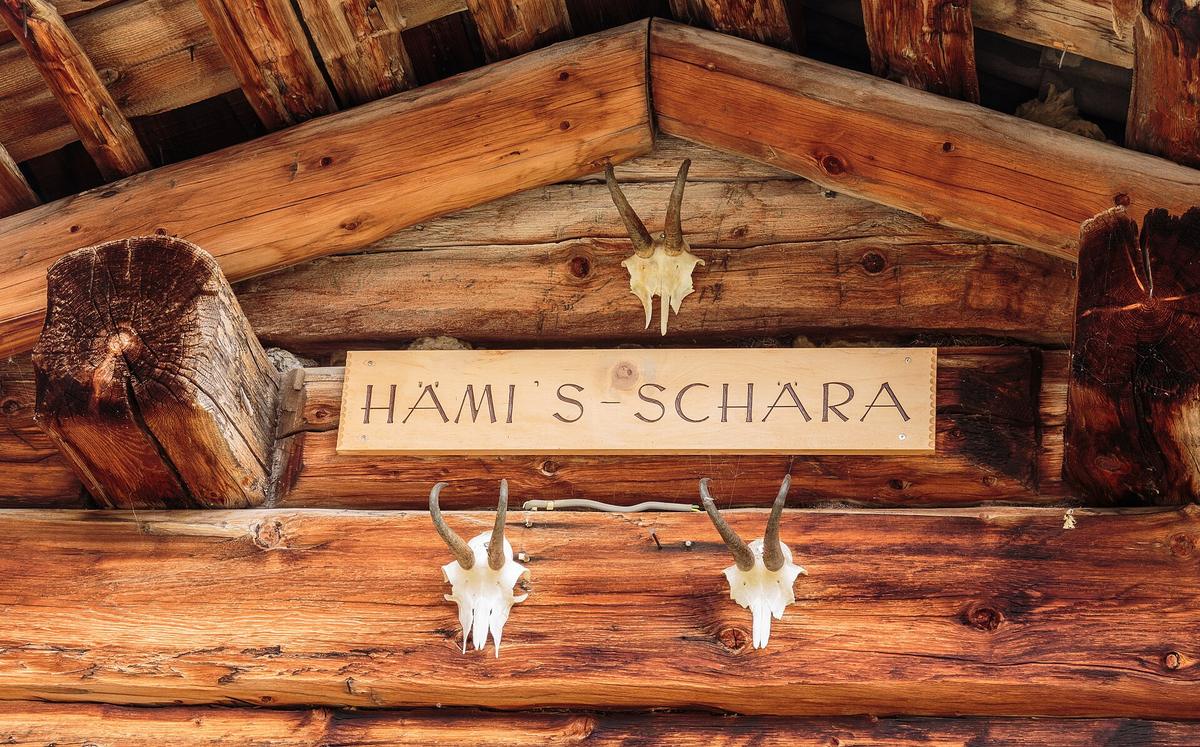

How altitude affects first-time visitors in the Swiss mountains
Altitude planning is not about fitness or age. The risk of altitude illness depends primarily on how fast you ascend and the elevation at which you sleep. The University of Zurich Centre for Travel Medicine notes that altitude sickness can begin from 2,500 metres above sea level. Below that threshold, most travellers feel no unusual effects. For visitors arriving from Hong Kong, where the highest natural point sits well under 1,000 metres, the body has no recent memory of thin air. That makes a deliberate ascent plan the single most important part of any high-mountain itinerary.
Switzerland packs many of its most famous viewpoints above the 2,500 metre line. A traveller who boards an early train in Zurich or Lucerne can stand at over 3,400 metres by lunchtime. The speed of that transition, not the final altitude, is what creates risk. The Hong Kong Travel Health Service recommends spending two to three nights between 2,500 and 3,000 metres before going higher. After 3,000 metres, sleeping altitude should not increase by more than 300 to 600 metres per day. The University of Zurich gives a similar rule: from 2,500 metres, limit sleeping-altitude gain to 300 to 500 metres daily and add an extra rest day for every 1,000 metres climbed. These numbers are not conservative margins. They are the standard medical advice for travellers without altitude experience.
A practical approach is to think of the trip in layers. The first layer is a base village well below the threshold. The second is a mid-altitude sleep stop that lets the body adapt. The third is the high excursion, where you go up for a few hours and then descend to sleep. This layered model works across every Swiss mountain region and removes the guesswork from itinerary planning.
Villages that sit safely below the altitude-sickness threshold
Several well-known Swiss resort bases sit low enough that altitude sickness is not a concern, even on the first night. Zermatt village centre lies at 1,620 metres above sea level. That places it well below the 2,500 metre threshold and makes it a suitable base for gradual acclimatisation before heading to higher cable-car stations. The Gornergrat summit station, at 3,089 metres, is reached by a 33-minute cogwheel train from Zermatt. A visitor can sleep at 1,620 metres, take the train to 3,089 metres for a few hours, and return to the village the same day. The altitude gain during the day is significant, but the sleeping altitude stays low. That pattern aligns with medical guidance.
Other villages offer similar safety margins. Engelberg, the valley base for Mount Titlis, sits below the threshold and provides access to the Titlis summit station at 3,238 metres, the highest year-round accessible point in central Switzerland. The rotating cable car makes the ascent in one continuous ride. A traveller who sleeps in Engelberg and visits Titlis as a day trip follows the same low-sleep high-excursion logic. The key decision is not which mountain to visit but where to spend the night. Choosing a village below 2,500 metres removes the most common altitude-planning mistake before it happens.
Summits above 2,500 metres and what the ascent speed means
Several of Switzerland's highest visitor-accessible points sit well above the altitude-sickness threshold. The Jungfraujoch railway station is the highest in Europe at 3,454 metres above sea level, with the Sphinx viewing platform reaching 3,571 metres. The Klein Matterhorn, also called Matterhorn Glacier Paradise, is the highest cable-car station in Europe at 3,883 metres, reached from Zermatt in about 45 minutes. The Schilthorn summit at 2,970 metres is reached in 32 minutes by aerial cableway from Stechelberg at 867 metres. Mount Titlis tops out at 3,238 metres. The Gornergrat station sits at 3,089 metres.
What connects these numbers is not just their height but the speed at which a visitor can reach them. A traveller who leaves a low-altitude hotel in Interlaken or Zurich can be standing above 3,400 metres in under three hours. That rapid ascent is precisely what altitude-sickness guidance warns against. The UK National Travel Health Network and Centre confirms that Switzerland has points of elevation above 2,500 metres and advises travellers to spend a few days below 3,000 metres before ascending higher. The advice is not to avoid these summits. It is to structure the days before them so the body has time to adjust.
A practical recommendation is to schedule the highest excursions later in the trip. A first-time visitor might spend the first two nights in a village below 2,000 metres, take a mid-altitude excursion on day two or three, and only then attempt a summit above 3,400 metres. This sequencing costs nothing in ticket prices but changes the physiological experience entirely.
Two summits below the threshold that need no acclimatisation
Not every Swiss mountain trip requires altitude planning. Rigi Kulm sits at 1,797 metres, served by Europe's first mountain railway, which opened in 1871. The summit lies comfortably below the 2,500 metre threshold where altitude sickness becomes a concern. A visitor can travel from lake level to the top and back without any acclimatisation strategy. Pilatus Kulm is slightly higher at 2,132 metres, reached by the world's steepest cogwheel railway with a 48 percent gradient from Alpnachstad, covering a height difference of 1,635 metres. It too sits below the threshold.
These two mountains are useful for more than their views. They offer a way to experience high-altitude scenery and rack railways without the physiological demands of a 3,500 metre station. For a traveller who is uncertain about altitude tolerance, or who is travelling with young children or older family members, Rigi and Pilatus provide a low-risk introduction. They also work as first-day excursions while the body is still adjusting to the journey from Hong Kong. The tradeoff is that neither reaches the glacier landscapes or the thin-air panoramas of the higher summits. The advantage is that they demand nothing from the traveller except a ticket.
Building an altitude-safe itinerary across several days
A layered itinerary uses the medical guidance as a design tool. The first layer is a low-altitude base. Zermatt at 1,620 metres or Engelberg below 2,500 metres both work. The second layer is a mid-altitude sleep stop, if the trip aims for overnight stays above 2,500 metres. The Hong Kong Travel Health Service recommends two to three nights between 2,500 and 3,000 metres before going higher. The third layer is the high excursion, where sleeping altitude does not increase, only the daytime altitude does.
An example sequence might look like this. Night one and two are spent in Zermatt at 1,620 metres. On day two, the traveller takes the Gornergrat train to 3,089 metres and returns to Zermatt to sleep. On day three, after two nights of low-altitude sleep and one mid-altitude day trip, the traveller ascends to the Klein Matterhorn at 3,883 metres. The daytime altitude is extreme, but the sleeping altitude has not jumped. This pattern respects the 300 to 500 metre daily sleeping-altitude limit while still reaching the highest cable-car station in Europe.
The same logic applies in the Bernese Oberland. A traveller could sleep two nights in Interlaken or Grindelwald below 2,500 metres, take a day trip to the Schilthorn at 2,970 metres, and only then attempt the Jungfraujoch at 3,454 metres. The sequencing adds a day to the itinerary but removes the sharpest altitude spikes. The decision is whether the extra night is worth the reduced risk. For a first-time visitor with no altitude experience, the medical guidance suggests it is.
What to check before every high-altitude excursion
Several practical details change frequently and cannot be stated as fixed facts. Ticket prices for Jungfraujoch, Gornergrat, Titlis, Pilatus, Schilthorn and other mountain railways are revised annually. The official operator websites are the only reliable source for current fares. Operating schedules and seasonal opening dates also vary. The Pilatus cogwheel railway, for example, runs from May to November only, but exact opening and closing dates shift each year. Weather conditions at high-altitude stations can close lifts or viewing platforms with little notice. Wind, visibility and snow can change access within hours.
The responsible operators publish live status information on their websites. Jungfrau Railways maintains a ticket portal for Jungfraujoch fares and availability. Pilatus-Bahnen AG runs a live status page with webcam feeds and operational updates. Zermatt Bergbahnen and the Gornergrat Bahn provide current schedules and summit conditions. A traveller should check these sources on the morning of an excursion and again before buying a non-refundable ticket. The altitude plan may be sound, but a closed lift or a storm at 3,500 metres can override it. Building flexibility into the itinerary, such as keeping one day unallocated for weather delays, is a practical safeguard that costs nothing.
Sources and verification
- reisemedizin.uzh.ch — Research source checked for this guide
- travelhealth.gov.hk — Research source checked for this guide
- jungfrau.ch — Research source checked for this guide
- zermatt.swiss — Research source checked for this guide
- gornergrat.ch — Research source checked for this guide
- peakbagger.com — Research source checked for this guide
Read next
-
 Switzerland eSIM for Hong Kong Travellers and Which Network Actually Works in the Alps
Hong Kong travellers need a Switzerland eSIM that holds signal above 2,000 metres. Swisscom is the only network with true alpine coverage—here is where to buy it and where it still fails.
-
 Switzerland Hotels Hostels and Mountain Huts What Each Is Actually Like
Swiss accommodation spans CHF 50 hostel dorms to five-star Zermatt resorts—learn what a mountain hut stay actually involves, what half-board means and where families get the best value.
-
 Switzerland Where to Stay Choosing Your Base for Mountains and Cities
Choose two or three Swiss bases maximum to avoid wasting half-days on mountain transfers—compare Wengen, Lucerne, Zermatt, Grindelwald and Interlaken for families, hikers and first-time visitors.
-
 Switzerland Flights from Hong Kong Direct and Connecting Options Compared
Direct Cathay Pacific and Swiss flights from Hong Kong to Zurich take 12 hours 40 minutes, while Geneva requires a connection—compare fares, seasons and what each route costs in HKD.
-
 Top Destinations in Switzerland: A Tour of the Must-See Places
Switzerland may be small, but every corner has its own character, from cosmopolitan lakeside cities to car-free mountain villages and Italian-flavoured southern towns. This tour runs through the destinations most Hong Kong travellers put at the top of their list, with a sense of what each offers and
-
 Switzerland in Winter vs Summer: Which Season Should You Choose?
Switzerland is one of those rare destinations that reinvents itself completely with the turning of the seasons. Visit in January and you find a hushed, snow-blanketed wonderland of ski slopes and steaming mountain restaurants. Return in July and the same valleys are green and buzzing, laced with wil
-
 Bern
Bern is the Swiss capital most first-time itineraries skip. The UNESCO arcades, river bears, and 56-minute Zurich train make it the best rain-day city in Switzerland.
-
 Switzerland in April or October What Hong Kong Visitors Should Expect
A practical guide to Switzerland in April or October What Hong Kong Visitors Should Expect.
-
 Eating in Switzerland on a Hong Kong Budget Supermarkets and Hot Meals
A practical guide to Eating in Switzerland on a Hong Kong Budget Supermarkets and Hot Meals.