What Switzerland Costs from Hong Kong: A Full Trip Budget in HKD
Switzerland costs CHF 100-plus per person daily before flights—see a full HKD budget covering Swiss Travel Pass, mountain railways, accommodation, food and the hidden expenses Hong Kong travellers miss.
On prices: figures on this page were researched in September 2026 and are given as bands, not quotes. Swiss rail pass and mountain railway pricing is revised annually, so check the current fare before you book.
What Switzerland Costs from Hong Kong: a Full Trip Budget in HKD
A week in Switzerland costs more than a week in Japan or South Korea. A realistic trip from Hong Kong runs HKD 15,000 to HKD 35,000 per person for five days, before shopping. The gap between a tight budget and a comfortable one is narrow. A bed, a meal, and a train ticket all start high and stay high. The floor sits at roughly CHF 100 per day (HKD 920) for a hostel dorm and supermarket meals. The mid-range ceiling sits closer to CHF 300 per day (HKD 2,760). This guide builds a line-item budget from return flights through daily spending, using 2025 prices and the exchange rate of CHF 1 to HKD 9.2.
Return Airfare: HKD 6,800 to HKD 15,000
Direct Flights to Zurich
The largest single cost is the flight. Direct Cathay Pacific and Swiss International Air Lines flights from Hong Kong to Zurich Airport take 12 hours 40 minutes westbound and 11 to 12 hours eastbound. The return fare band for 2025 is HKD 6,800 to HKD 14,500, booked eight to twelve weeks ahead. July, August, and the Christmas period push prices to the top of that range. Shoulder season months, May, September, and October, sit near the bottom.
One-Stop Savings and Geneva Arrivals
A one-stop alternative such as Qatar Airways via Doha or Emirates via Dubai may save HKD 1,000 to HKD 2,000 but adds four to six hours of travel time. Geneva Airport is an alternative, with no direct flights from Hong Kong, so a connection in Doha, Dubai, Istanbul, Frankfurt, Paris, Amsterdam, London, or Helsinki is required. The fare band for Geneva is HKD 7,200 to HKD 15,000. Zurich is the smarter choice for a first visit.
.jpg)
Getting Around: Swiss Travel Pass Cost Hong Kong Travellers Should Know
Pass Types and 2025 Prices
Buy a Swiss Travel Pass from Klook or an SBB agent in Hong Kong before departure. The pass covers unlimited rail, bus, and lake boat travel on consecutive days and halves the cost of most mountain railways. The 2025 price for a 4-consecutive-day pass in second class is CHF 281 (HKD 2,585). An 8-day second class pass costs CHF 435 (HKD 4,002). There is a Flex version giving four travel days within a month, second class, for CHF 323 (HKD 2,972). First class adds roughly 60 percent to each price: the 4-day first class pass is CHF 447 (HKD 4,112).
Mountain Railway Discounts
The pass does not cover the private mountain railways that visitors most want to ride. It fully includes only Rigi, Stanserhorn, and Stoos. For Jungfraujoch, the pass gives a 35 percent discount, leaving a second class return from Interlaken Ost at CHF 165.60 (HKD 1,524) instead of the full CHF 254.80. For Gornergrat, the discount is 50 percent, bringing the Zermatt return to CHF 63 (HKD 580). Titlis also discounts to CHF 54 (HKD 497), and Schilthorn to CHF 56.90 (HKD 523). Pilatus drops to CHF 39 (HKD 359). Without any pass, these excursions cost CHF 100 or more each. A traveller visiting two or three peaks will spend more on discounted tickets than on the pass itself. The point-to-point ticket stack is the hidden driver of the real budget.
Accommodation: What a Hostel Dorm, a Budget Hotel, and a Mid Range Room Cost Per Night
A hostel dormitory bed in a city centre location in summer 2025 runs CHF 38 to CHF 65 (HKD 350 to HKD 598) per night. The low end is a larger dorm in Zurich or Geneva; the high end is a smaller dorm in Zermatt or Lucerne. That is the cheapest roof you will find. A two-star or Ibis Budget type hotel costs CHF 110 to CHF 180 (HKD 1,012 to HKD 1,656) per double room. A three-star mid-range hotel runs CHF 200 to CHF 380 (HKD 1,840 to HKD 3,496). Add the city tax of CHF 2.50 to CHF 5.50 per person per night, collected by the hotel and passed to the local tourist office. Half-board, breakfast plus dinner, is common in mountain hotels and can add CHF 30 to CHF 50 per person per day, but it often saves money compared to buying dinner separately in a resort restaurant.
Food: the CHF 100 Daily Baseline and the Sunday Supermarket Trap
Daily Meal Costs
The baseline of CHF 100 per day (HKD 920) covers a hostel dorm and supermarket meals but not much else. A supermarket lunch from Migros or Coop, a sandwich, a drink, and a piece of fruit, runs CHF 8 to CHF 14 (HKD 74 to HKD 129). A simple cooked meal from a supermarket hot counter costs about the same. A fast food meal of a burger, fries, and a drink is CHF 14 to CHF 18 (HKD 129 to HKD 166). A casual restaurant main course costs CHF 22 to CHF 34 (HKD 202 to HKD 313). A mid-range three-course dinner without drinks costs CHF 45 to CHF 70 (HKD 414 to HKD 644). Coffee from a café is CHF 4.50 to CHF 6.00 (HKD 41 to HKD 55). Bottled water from a supermarket is CHF 0.80 to CHF 1.50 (HKD 7 to HKD 14), but tap water is free and safe everywhere.
The Sunday Closure Problem
The hidden cost most Hong Kong travellers miss is the Sunday supermarket closure. Migros and Coop shut entirely on Sundays except for railway station branches, which stay open but charge higher prices and have limited selection. If you arrive on a Sunday and have no station supermarket access, you will eat in a restaurant for every meal, spending at least CHF 60 to CHF 80 (HKD 552 to HKD 736) for three basic meals rather than CHF 25 (HKD 230) from a supermarket. Sunday is the single easiest day to overspend. Weekday closing times are 18:30, and Saturdays close at 17:00. Arrive early.
| Cost Category | Hostel Tier | Mid Range Tier | Luxury Tier |
|---|---|---|---|
| Return Flight (economy, booked 8-12 weeks ahead) | HKD 6,800 | HKD 9,000 | HKD 14,500 |
| Swiss Travel Pass 5 consecutive days (2nd class, price interpolated between 4-day and 8-day) | HKD 3,200 | HKD 3,200 | HKD 3,200 |
| Accommodation 5 nights | HKD 2,100 (dorm x 5) | HKD 7,500 (mid-range double, half per person) | HKD 19,000 (luxury double, half per person) |
| Food 5 days | HKD 2,500 (supermarket + one restaurant meal daily) | HKD 5,500 (mix of supermarket and casual restaurants) | HKD 9,500 (all restaurant meals, including mountain top) |
| Mountain railways (Jungfraujoch + Gornergrat, discounted) | HKD 1,900 | HKD 1,900 | HKD 1,900 |
| Miscellaneous (city transport, toilet fees, tips, tourist tax) | HKD 700 | HKD 1,000 | HKD 1,500 |
| Total per person, 5 full days | HKD 17,200 | HKD 28,100 | HKD 49,600 |
Hidden Costs: Toilets, Cash Only Huts, and the Peak Season Surge
Toilets, Cash, and Tipping
Public toilets cost CHF 1 to CHF 2 (HKD 9 to HKD 18) and accept coins only. Train station facilities are the most reliable and widespread option; use them before heading into a mountain valley. Many mountain huts and small farm shops take only cash, so carry CHF 100 in small notes and coins. Credit card acceptance in cities and at major stations is near universal, but credit cards fail at remote cable car stations and in village bakeries. Tipping is included in the bill by law. Rounding up to the nearest franc is polite. Adding 10 percent is unnecessary and marks you as a first time visitor.
Peak Season and Chinese New Year
The peak season surcharge is real: July, August, and the period from late December through February push hotel rates 20 to 40 percent above shoulder season prices. Chinese New Year falls in late January or February and overlaps with the European winter peak. During that week, hotels in Interlaken, Zermatt, and Lucerne sell out. Book accommodation at least three months ahead if you are travelling during Chinese New Year or Christmas. The failure case is paying double for a room nowhere near the town centre.

Switzerland Daily Budget HKD: What CHF 100 Buys and What it Does Not
A CHF 100 (HKD 920) daily baseline in Switzerland covers a hostel dorm bed at CHF 50, two supermarket meals, and one cup of coffee. It does not cover a mountain railway ticket, a restaurant dinner, or a hotel room. If you want a private room and a cooked meal, raise that baseline to CHF 200 (HKD 1,840) per day for a no-frills version, or CHF 300 (HKD 2,760) for one casual restaurant meal and a budget hotel. The daily budget question most travellers ask has a simple answer: CHF 100 per day per person is the floor for a hostel traveller who cooks. CHF 200 is the baseline for a traveller in a budget hotel who eats one meal out. CHF 300 is the baseline for a mid-range traveller in a 3-star hotel with two restaurant meals.
Switzerland Expenses Per Day: the Itemised Reality
A day in Switzerland costs itemised as follows. The hostel dorm bed costs CHF 38 to CHF 65. A budget hotel double room costs CHF 110 to CHF 180. A mid-range hotel double room costs CHF 200 to CHF 380. Breakfast in a hotel is included in the room rate. A supermarket lunch costs CHF 8 to CHF 14. A casual dinner costs CHF 22 to CHF 34. City tax adds CHF 2.50 to CHF 5.50 per person. A single zone public transport ticket costs CHF 2.60 to CHF 4.40. A coffee costs CHF 4.50 to CHF 6.00. A day without a mountain railway excursion can stay under CHF 100 per person if you sleep in a dorm, eat from the supermarket, and walk. A day that includes a mountain railway excursion and a sit down dinner costs CHF 180 to CHF 280 per person even in the budget tier.
Jungfraujoch Ticket Price HKD: What it Actually Costs After the Pass Discount
The undiscounted full price for a second class return ticket from Interlaken Ost to Jungfraujoch in 2025 is CHF 254.80 (HKD 2,344). With a Swiss Travel Pass, the price drops to CHF 165.60 (HKD 1,524). That is still a significant outlay. The pass gives a 35 percent discount off the standard fare. The ticket must be booked in advance during peak season; walk up sales are limited. The journey takes approximately two hours each way. Budget 55 minutes of that for the climb from Kleine Scheidegg to the top. Gornergrat, by comparison, costs CHF 126 (HKD 1,159) undiscounted and CHF 63 (HKD 580) with the pass. For a traveller doing both, the total mountain railway spend with the pass is HKD 2,104. Without the pass, it would be HKD 3,503.
The One Thing That Most Often Goes Wrong on a Switzerland Trip from Hong Kong
The single most common mistake is buying a Swiss Travel Pass in Switzerland rather than in Hong Kong before departure. The pass price is the same either way, but purchasing through Klook or an SBB agent in Hong Kong lets you start using the pass the moment you step off the train from Zurich Airport. Buy it at Zurich main station and you queue for 20 minutes, pay the same price, and travel into the city without it, wasting the first CHF 6.80. The other recurring failure is arriving on a Sunday without a stocked backpack. Supermarkets close, restaurants overcharge, and the first 24 hours cost twice what they should. Arrive on a Monday. Land at Zurich Airport by 10:00. Take the 10 minute train to Zurich HB. Buy your pass voucher from the SBB counter if you did not use Klook. Walk to the Migros at the station concourse and buy three days of food. Then head to the train platform for your first destination. That sequence, done correctly, saves you approximately HKD 1,500 on the first day alone.
Common Questions
What is the cheapest way to eat every day in Switzerland?
Buy breakfast, lunch, and snacks from Migros or Coop supermarkets. A sandwich, a piece of fruit, and a drink costs CHF 8 to CHF 14. Cook a simple meal at a hostel kitchen for dinner. Avoid restaurant meals entirely on travel days. The failure case is Sunday, when supermarkets close and you are forced to buy food from a hotel restaurant or a station shop.
Is the Swiss Travel Pass worth it for a 5 day trip from Hong Kong?
Yes, for any trip that involves three or more travel days and at least one mountain excursion. The second class 4 day pass costs CHF 281 and the 8 day pass costs CHF 435. If you plan point to point tickets for three intercity journeys and one mountain railway ride, the total will exceed the pass price. The pass also covers city trams, lake boats, and free admission to over 500 museums.
When is Chinese New Year travel to Switzerland and does it affect prices?
Chinese New Year falls in late January or February. It overlaps with the European winter peak season and pushes hotel rates in Interlaken, Zermatt, and Lucerne up by 20 to 40 percent. Book accommodation three months ahead. Flights from Hong Kong during that two week window also rise, with return fares reaching HKD 14,500 or more.
How much does a glass of tap water cost in a restaurant?
Tap water is free if you ask for it, but doing so without ordering another drink irritates restaurant staff. Order a coffee or a soft drink alongside the water request. A coffee costs CHF 4.50 to CHF 6.00, which is cheaper than a bottle of mineral water from a restaurant.
What should I do if a mountain hut only accepts cash?
Carry CHF 100 in small notes and coins at all times. Mountain huts on trails to Gornergrat, the Aletsch Glacier, and in the Jungfrau region do not accept cards. The nearest ATM may be a two hour walk away in the valley.
Can I use my Hong Kong credit card everywhere in Switzerland?
Credit cards are accepted at nearly all hotels, restaurants, and major stations. Exceptions are mountain huts, small farm shops, public toilets, and some cable car stations. Always carry coins for toilets and CHF 50 in notes for small purchases.
How many days do I need for a first trip to Switzerland from Hong Kong?
Five full days is the minimum. The 12 hour flight and the CHF 100 plus daily baseline cost make a shorter trip poor value. A common mistake is trying to cover Zurich, Lucerne, Interlaken, Zermatt, and Geneva in seven days. Mountain transfers eat half days and leave you exhausted and over budget on point to point tickets.
Read next
-
 Switzerland eSIM for Hong Kong Travellers and Which Network Actually Works in the Alps
Hong Kong travellers need a Switzerland eSIM that holds signal above 2,000 metres. Swisscom is the only network with true alpine coverage—here is where to buy it and where it still fails.
Switzerland eSIM for Hong Kong Travellers and Which Network Actually Works in the Alps
Hong Kong travellers need a Switzerland eSIM that holds signal above 2,000 metres. Swisscom is the only network with true alpine coverage—here is where to buy it and where it still fails.
-
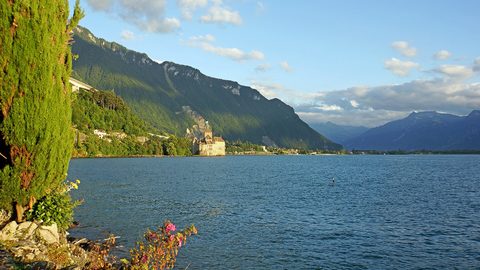 Switzerland Hotels Hostels and Mountain Huts What Each Is Actually Like
Swiss accommodation spans CHF 50 hostel dorms to five-star Zermatt resorts—learn what a mountain hut stay actually involves, what half-board means and where families get the best value.
Switzerland Hotels Hostels and Mountain Huts What Each Is Actually Like
Swiss accommodation spans CHF 50 hostel dorms to five-star Zermatt resorts—learn what a mountain hut stay actually involves, what half-board means and where families get the best value.
-
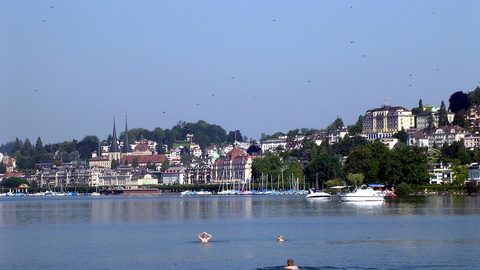 Switzerland Where to Stay Choosing Your Base for Mountains and Cities
Choose two or three Swiss bases maximum to avoid wasting half-days on mountain transfers—compare Wengen, Lucerne, Zermatt, Grindelwald and Interlaken for families, hikers and first-time visitors.
Switzerland Where to Stay Choosing Your Base for Mountains and Cities
Choose two or three Swiss bases maximum to avoid wasting half-days on mountain transfers—compare Wengen, Lucerne, Zermatt, Grindelwald and Interlaken for families, hikers and first-time visitors.
-
 Switzerland Flights from Hong Kong Direct and Connecting Options Compared
Direct Cathay Pacific and Swiss flights from Hong Kong to Zurich take 12 hours 40 minutes, while Geneva requires a connection—compare fares, seasons and what each route costs in HKD.
Switzerland Flights from Hong Kong Direct and Connecting Options Compared
Direct Cathay Pacific and Swiss flights from Hong Kong to Zurich take 12 hours 40 minutes, while Geneva requires a connection—compare fares, seasons and what each route costs in HKD.
-
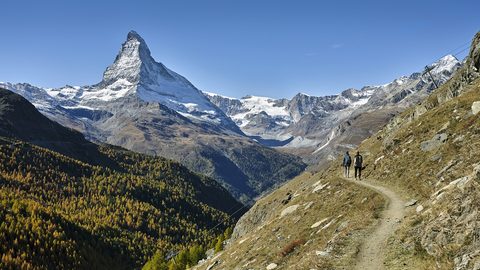 Top Destinations in Switzerland: A Tour of the Must-See Places
Switzerland may be small, but every corner has its own character, from cosmopolitan lakeside cities to car-free mountain villages and Italian-flavoured southern towns. This tour runs through the destinations most Hong Kong travellers put at the top of their list, with a sense of what each offers and
Top Destinations in Switzerland: A Tour of the Must-See Places
Switzerland may be small, but every corner has its own character, from cosmopolitan lakeside cities to car-free mountain villages and Italian-flavoured southern towns. This tour runs through the destinations most Hong Kong travellers put at the top of their list, with a sense of what each offers and
-
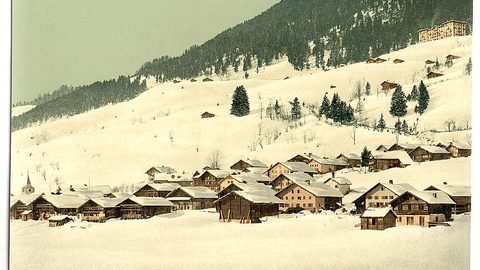 Switzerland in Winter vs Summer: Which Season Should You Choose?
Switzerland is one of those rare destinations that reinvents itself completely with the turning of the seasons. Visit in January and you find a hushed, snow-blanketed wonderland of ski slopes and steaming mountain restaurants. Return in July and the same valleys are green and buzzing, laced with wil
Switzerland in Winter vs Summer: Which Season Should You Choose?
Switzerland is one of those rare destinations that reinvents itself completely with the turning of the seasons. Visit in January and you find a hushed, snow-blanketed wonderland of ski slopes and steaming mountain restaurants. Return in July and the same valleys are green and buzzing, laced with wil
-
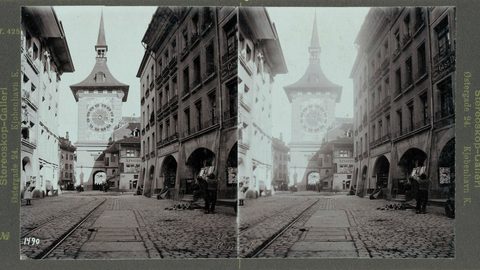 Bern
Bern is the Swiss capital most first-time itineraries skip. The UNESCO arcades, river bears, and 56-minute Zurich train make it the best rain-day city in Switzerland.
Bern
Bern is the Swiss capital most first-time itineraries skip. The UNESCO arcades, river bears, and 56-minute Zurich train make it the best rain-day city in Switzerland.
-
 Lucerne or Interlaken Where to Put Your One Mountain Base
-
 Swiss Travel Pass or Half Fare Card Which Pays for Your Trip
Swiss Travel Pass or Half Fare Card? This cost comparison for Hong Kong travellers breaks down which pass pays for itself on mountain railways, lake boats, and intercity trains.
Swiss Travel Pass or Half Fare Card Which Pays for Your Trip
Swiss Travel Pass or Half Fare Card? This cost comparison for Hong Kong travellers breaks down which pass pays for itself on mountain railways, lake boats, and intercity trains.