Eating in Switzerland Without Spending a Fortune: Fondue, Supermarket Meals and Where to Find Value
A simple Swiss lunch costs CHF 25 but you can eat well for less—use railway-station supermarkets, Christmas-market Raclette stalls and mountain-hut Älplermagronen to keep food costs down.
On prices: figures on this page were researched in September 2026 and are given as bands, not quotes. Swiss rail pass and mountain railway pricing is revised annually, so check the current fare before you book.
The Real Problem with Eating in Switzerland
Sunday Arrivals and the Supermarket Trap
The standard advice about eating in Switzerland on a budget says picnic from Coop and you will be fine. That advice is half right. The problem is not just that a simple lunch costs CHF 25. The problem is that Sundays shut down the shops, and the restaurant markup on that budget picnic is what forces you to buy dinner out anyway. The real question is how to eat well when the system fights you. The answer involves three workarounds: station branches for Sunday survival, Christmas market stalls for affordable hot food, and knowing exactly which dishes earn their price tag.
The facts are brutal. A sit-down dinner costs CHF 25 to CHF 40 per person. A self-assembled picnic of bread, cheese, fruit and cold cuts costs CHF 10 to CHF 15 per person. That halves your daily food cost on paper. It only works if you can reach a shop to buy it. City-centre branches close by 18:30 on weekdays, 17:00 on Saturdays, and shut entirely on Sundays. Only station Migros and Coop outlets stay open on Sunday. If you arrive in Zurich on a Sunday afternoon without a plan, you have one option for groceries: the Migros at Zurich Hauptbahnhof. It closes at 20:00. Miss that window and dinner is a kebab or a sit-down meal you did not budget for.
How to Find Cheap Eats in Switzerland
Christmas Market Raclette Stalls
The phrase cheap eats in Switzerland needs redefining. You are not looking for street food in the Bangkok sense. You are looking for hot meal occasions that cost less than CHF 25 and require no assembly. Three formats deliver this.
December is the month for hot food outside a dining room. A portion of Raclette scraped onto a bread roll costs CHF 8 to CHF 12 at any Swiss Christmas market. That is a hot, full meal for less than half the price of a sit-down dinner. The Raclette season runs October to March, so the markets overlap with the cold season when you actually want warm food. The same stall logic applies to fondue at a Christmas market: CHF 15 for bread and melted cheese, eaten standing up. Arrive before 19:00; stalls start closing down after that.
Mountain Hut Lunches
The best-value hot meal at altitude is Älplermagronen, the alpine macaroni with cheese, potatoes and apple sauce. A bowl at a hut above Zermatt or in the Jungfrau region costs CHF 18 to CHF 22. That beats the CHF 35 you pay for the same dish at a valley-floor dining room. The catch is cash. Many huts accept only Swiss francs in coins or small notes. Carry at least CHF 50 in cash every day you hike. No card, no lunch.
Station Salad Bars and Hot Counters
The Migros take-away and Coop Pronto counters at Zurich HB and other main stations sell hot pasta boxes, soup and salad by weight. A container that fills a lunch costs CHF 8 to CHF 14. The selection peaks between 11:00 and 14:00 and drops sharply after 18:00. If you miss that window, the prepacked sandwiches and salads remain, but the hot food disappears. Aim for the midday slot.
Why Fondue Belongs in Gruyères Village, Not a City Restaurant
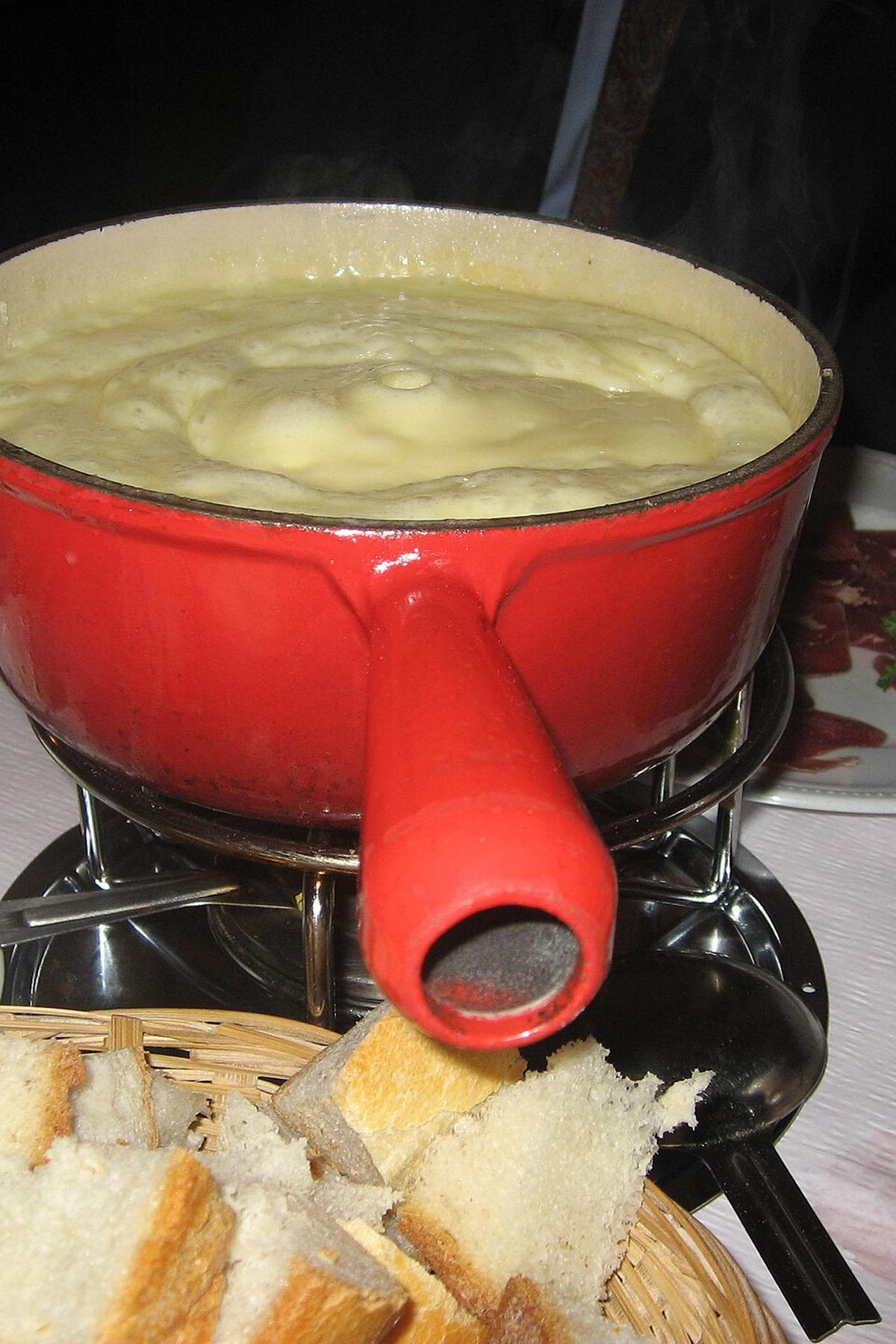
Fondue moitié moitié is the dish every visitor orders. It is a half Gruyère AOP, half Vacherin Fribourgeois AOP cheese blend, melted with white wine, served in a ceramic pot with bread cubes on a long fork. In a Zurich or Lucerne dining room, that costs CHF 28 to CHF 35 per person and the cheese is often pre-grated industrial product. The difference in Gruyères village is the setting and the quality.
A day trip from Montreux to Gruyères takes 1 hour 10 minutes by train and costs CHF 30 one way. The village sits on a hilltop with a medieval castle, a cheese dairy where you watch Gruyère wheels being pressed, and a handful of chalet-style fondue spots that serve the real thing. A fondue for two with a bottle of Fendant white wine runs CHF 45 to CHF 55 total, roughly CHF 23 to CHF 28 per person. That matches city pricing, but the cheese comes from the dairy up the road. Book a table for 12:30; the lunch crowd thins by 14:00 and you get the room to yourself.
Fondue season runs October to March. Outside those months, some Gruyères places still serve it, but the dish is a cold-weather tradition for a reason: it is heavy, it takes 30 minutes to eat, and it is miserable in July. Order it between November and February and you get the version the dish was designed for.
Supermarket Meals in Switzerland: When Coop and Migros Save Your Budget
Which Chain for Which Occasion
A reader searching for supermarket meals in Switzerland is usually looking for one answer: which chain is better for prepared food. The answer is both, but for different occasions.
Migros, with about 630 branches nationally, has the fresher salad bars and the wider vegetarian and vegan selection. Zurich alone has more than 50 vegetarian and vegan eateries, but Migros prepared-food counters cover the same needs at a third of the price. Coop Genossenschaft, with roughly 2,400 sales outlets, has a stronger hot-food counter, better cheese selection, and the Coop Pronto convenience stores that stay open later at stations.
The Sunday Strategy
Find the station branch of either chain before 18:00. The Zurich HB Migros and Coop are the most reliable. Basel SBB, Geneva Cornavin and Bern Hauptbahnhof all have Sunday branches. If you miss the 18:00 cut-off, your dinner is a dining room or a kebab shop. Kebab shops in Zurich Niederdorf and Geneva city centre are the only widely available Sunday-evening option outside a sit-down meal, and they cost CHF 12 to CHF 16 for a dürüm.
The Markup Calculation
One dinner for one in a sit-down spot costs CHF 25 to CHF 40. A picnic from Migros or Coop costs CHF 10 to CHF 15 per person. Over a five-day trip, that saving of CHF 50 to CHF 100 per person is the difference between breaking your food budget and keeping it under control. The trade-off is time: building a picnic takes 15 minutes in the shop and requires dry weather, a park bench or a train seat. Check the forecast before you commit.
Swiss Street Food at a Christmas Market: Your Best Hot Meal Under CHF 15
The search for Swiss street food at a Christmas market is about finding the most reliable hot-food option in a country that does not do street food in the conventional sense. The answer is Raclette from a market stall.
Every major Swiss Christmas market from late November to December 24 has a Raclette stand. The setup is identical: a half wheel of cheese, a heat lamp, a scraper, bread rolls. The vendor heats the cheese face, scrapes the molten layer onto the bread, and hands it to you in a paper wrapper. Cost is CHF 8 to CHF 12. That is a hot, filling, proper meal. Eat it immediately; the cheese stiffens fast in cold air.
The best markets for this are Zurich Hauptbahnhof, home to Europe's largest indoor Christmas market, Bern's Waisenhausplatz market, and Montreux's lakeside market. The Zurich HB market runs from late November through December 24 and stays open until 20:00 most days. Sunday access is not a problem because the market sits inside the station, which operates on Sunday hours. Head to the main hall, not the platform level; that is where the food stalls cluster.
Raclette season runs October to March. If you visit outside those months, the street-food option does not exist. In summer, your equivalent is a bratwurst from a grill stand on a station platform for CHF 6 to CHF 8, or a Birchermüesli from a Migros breakfast counter for CHF 5.
Zürcher Geschnetzeltes: Where to Eat it and What to Pay
Zürcher Geschnetzeltes is sliced veal in a cream and white-wine sauce, served with Rösti. It is Zurich's signature dish. The restaurant version should cost CHF 26 to CHF 32. In Niederdorf, the medieval quarter with the densest concentration of dining rooms, you can find it at that price in places like Zeughauskeller or Rheinfelder Bierhalle. Avoid the spots on Bahnhofstrasse and Paradeplatz. The same dish there costs CHF 38 to CHF 45 and adds nothing but rent.
The version in Bern is called Berner Rösti: Rösti with bacon and melted cheese, no veal. The Bern version costs CHF 18 to CHF 22 and is a better-value lunch. The Zurich version with veal is a dinner dish. Order it for lunch and you pay the same price but get a smaller portion. Go at dinner or skip it.


Regional Specialities That Deliver Value for the Price
Beyond fondue and Zürcher Geschnetzeltes, several dishes give you a proper meal at a fair price if you know where to find them.
Älplermagronen in a mountain hut. CHF 18 to CHF 22. The best hot meal at altitude. Order it with apple sauce on the side. Cash only at most huts.
Papet Vaudois in the Vaud region. Leek and potato stew with cabbage sausage. CHF 16 to CHF 20 in a Lausanne or Montreux bistro. The dish is virtually unknown outside the canton, which keeps the price down. Ask for it by name; it will not appear on the English menu.
Engadiner Nusstorte for dessert. A dense caramelised walnut pastry from Graubünden. A slice in a St. Moritz or Chur bakery costs CHF 4 to CHF 5. A wedge with coffee in a dining room costs CHF 9 to CHF 12. Buy the slice from the bakery and eat it on a park bench.
Birchermüesli for breakfast. The original soaked-oats breakfast was invented in Zurich. A bowl at a hotel breakfast buffet costs CHF 12 to CHF 18. A prepacked portion from Coop costs CHF 3.50 for a single-serve pot. Grab one the night before and breakfast is sorted.
Zuger Kirschtorte. Cherry brandy layer cake from Zug. A slice in a Zug café costs CHF 6 to CHF 8. A whole cake from the Confiserie Speck bakery costs CHF 28 and serves eight. Buy the whole cake if you have a fridge in your accommodation.
Practical Friction: Tipping, Tap Water and Sunday Closures
Three local friction points decide whether your meal is pleasant or frustrating. Learn them before you order.
Tipping. Service charge is included in the menu price by law. The bill says service compris. Round up to the nearest CHF 1 to CHF 5. That is polite and sufficient. Adding 10% marks you as a tourist who did not look at the bill.
Tap water. Hahnenwasser is free and safe to drink everywhere. Ask for it without ordering a separate drink and you risk irritating the staff. Order a glass of water together with a beer or wine and the problem disappears. Say "Hahnenwasser, bitte" and you get it without fuss.
Sunday closures. Every non-station shop is shut on Sunday. Every one. Migros at Zurich HB is open 08:00 to 20:00 on Sunday. Coop at the same station is open 08:00 to 20:00. If you are not near a main station on Sunday, your dinner is a dining room or a kebab shop. Plan around this from the moment you arrive. Buy Saturday night for Sunday lunch.
The Dishes Worth the Money and the Dishes Worth Skipping
Not every Swiss dish delivers value for the price. Here is the breakdown.
Order these anywhere:
- Fondue in Gruyères village. CHF 45 to CHF 55 for two. The setting and cheese quality justify it.
- Älplermagronen at a mountain hut. CHF 18 to CHF 22. No other hot meal at altitude costs less.
- Raclette from a Christmas market stall. CHF 8 to CHF 12. Best-value hot meal in the country.
Skip these unless you have budget to burn:
- Fondue in a city dining room. CHF 28 to CHF 35 per person for industrial cheese. Not worth half that.
- Rösti at a tourist spot on Bahnhofstrasse or Interlaken's main street. CHF 24 to CHF 28 for grated potato with salt. The same dish costs CHF 14 at a Migros hot counter.
- Bündnerfleisch in a restaurant. Air-dried beef from Graubünden is outstanding cheese-platter meat, but a dining-room portion costs CHF 18 for 50 grams. Buy it from a Coop cheese counter at CHF 3 per 100 grams and assemble your own platter.
Who This Food Strategy Suits and Who Should Look Elsewhere
Eating well in Switzerland without spending a fortune suits multi-generational families who can share a fondue pot, serious hikers who will eat Älplermagronen at a hut and call it dinner, and first-time Europe visitors who value order and cleanliness enough to accept the restaurant markup when necessary.
This strategy does not suit budget backpackers. Even hostel dorms run CHF 50 plus per night, and a CHF 10 picnic every day gets old by day three. It does not suit spontaneous party seekers who want dinner at 23:00, when the only option is a kebab shop or an empty room. And it does not suit food-driven travellers on a tight budget who want to eat out every meal. Eating out in Switzerland offers poor value compared to Hong Kong, and that does not change with a better strategy. It changes by accepting that half your meals will be eaten from a paper wrapper or a plastic container, standing up, in a station.
Common Questions
Is tap water free in Swiss restaurants?
Yes. Tap water (Hahnenwasser) is free and safe to drink everywhere. You have to ask for it explicitly. The risk is in asking for it without ordering another drink, which sometimes irritates staff. Order a beer or wine and ask for a glass of water at the same time.
Can I use a credit card at a mountain hut?
Some mountain huts accept cards. Many do not. Carry at least CHF 50 in cash every day you hike. Smaller notes and coins are ideal because change can be short at busy huts. The cash requirement is strict enough that not having it can leave you without lunch.
Are supermarkets open on Sunday in Switzerland?
Ordinary city-centre and village shops are closed all day Sunday. Station branches of Migros and Coop are the exception. Zurich HB, Geneva Cornavin, Basel SBB and Bern Hauptbahnhof all have Sunday branches open 08:00 to 20:00 or similar hours. If you are not near a main station on Sunday, your dinner options are dining rooms or kebab shops.
What is the cheapest hot meal in Switzerland?
Raclette from a Christmas market stall at CHF 8 to CHF 12. Outside Christmas market season, the cheapest hot meal is a bratwurst from a station grill stand at CHF 6 to CHF 8, or Älplermagronen at a mountain hut for CHF 18 to CHF 22. A sit-down dinner starts at CHF 25.
Is fondue cheaper in Gruyères than in Zurich?
The per-person price is roughly the same: CHF 23 to CHF 28 in Gruyères versus CHF 28 to CHF 35 in Zurich. The value difference is quality. Gruyères spots use cheese from the local dairy. Zurich places typically use industrial pre-grated product. The setting also differs: a village chalet versus a city dining room.
Read next
-
 Switzerland eSIM for Hong Kong Travellers and Which Network Actually Works in the Alps
Hong Kong travellers need a Switzerland eSIM that holds signal above 2,000 metres. Swisscom is the only network with true alpine coverage—here is where to buy it and where it still fails.
Switzerland eSIM for Hong Kong Travellers and Which Network Actually Works in the Alps
Hong Kong travellers need a Switzerland eSIM that holds signal above 2,000 metres. Swisscom is the only network with true alpine coverage—here is where to buy it and where it still fails.
-
 Switzerland Hotels Hostels and Mountain Huts What Each Is Actually Like
Swiss accommodation spans CHF 50 hostel dorms to five-star Zermatt resorts—learn what a mountain hut stay actually involves, what half-board means and where families get the best value.
Switzerland Hotels Hostels and Mountain Huts What Each Is Actually Like
Swiss accommodation spans CHF 50 hostel dorms to five-star Zermatt resorts—learn what a mountain hut stay actually involves, what half-board means and where families get the best value.
-
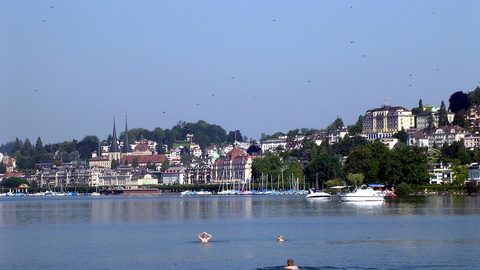 Switzerland Where to Stay Choosing Your Base for Mountains and Cities
Choose two or three Swiss bases maximum to avoid wasting half-days on mountain transfers—compare Wengen, Lucerne, Zermatt, Grindelwald and Interlaken for families, hikers and first-time visitors.
Switzerland Where to Stay Choosing Your Base for Mountains and Cities
Choose two or three Swiss bases maximum to avoid wasting half-days on mountain transfers—compare Wengen, Lucerne, Zermatt, Grindelwald and Interlaken for families, hikers and first-time visitors.
-
 Switzerland Flights from Hong Kong Direct and Connecting Options Compared
Direct Cathay Pacific and Swiss flights from Hong Kong to Zurich take 12 hours 40 minutes, while Geneva requires a connection—compare fares, seasons and what each route costs in HKD.
Switzerland Flights from Hong Kong Direct and Connecting Options Compared
Direct Cathay Pacific and Swiss flights from Hong Kong to Zurich take 12 hours 40 minutes, while Geneva requires a connection—compare fares, seasons and what each route costs in HKD.
-
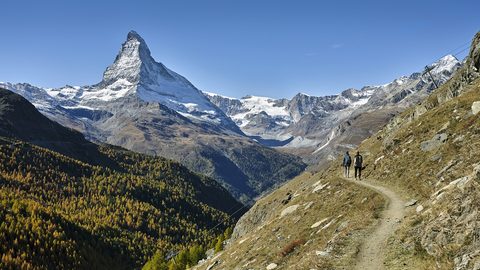 Top Destinations in Switzerland: A Tour of the Must-See Places
Switzerland may be small, but every corner has its own character, from cosmopolitan lakeside cities to car-free mountain villages and Italian-flavoured southern towns. This tour runs through the destinations most Hong Kong travellers put at the top of their list, with a sense of what each offers and
Top Destinations in Switzerland: A Tour of the Must-See Places
Switzerland may be small, but every corner has its own character, from cosmopolitan lakeside cities to car-free mountain villages and Italian-flavoured southern towns. This tour runs through the destinations most Hong Kong travellers put at the top of their list, with a sense of what each offers and
-
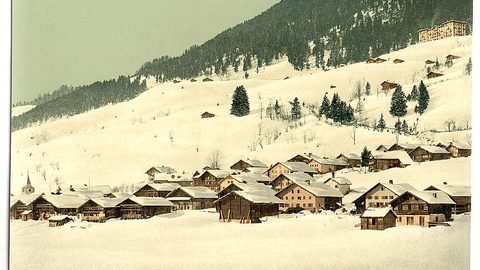 Switzerland in Winter vs Summer: Which Season Should You Choose?
Switzerland is one of those rare destinations that reinvents itself completely with the turning of the seasons. Visit in January and you find a hushed, snow-blanketed wonderland of ski slopes and steaming mountain restaurants. Return in July and the same valleys are green and buzzing, laced with wil
Switzerland in Winter vs Summer: Which Season Should You Choose?
Switzerland is one of those rare destinations that reinvents itself completely with the turning of the seasons. Visit in January and you find a hushed, snow-blanketed wonderland of ski slopes and steaming mountain restaurants. Return in July and the same valleys are green and buzzing, laced with wil
-
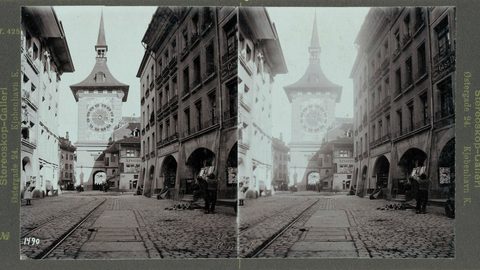 Bern
Bern is the Swiss capital most first-time itineraries skip. The UNESCO arcades, river bears, and 56-minute Zurich train make it the best rain-day city in Switzerland.
Bern
Bern is the Swiss capital most first-time itineraries skip. The UNESCO arcades, river bears, and 56-minute Zurich train make it the best rain-day city in Switzerland.
-
 Lucerne or Interlaken Where to Put Your One Mountain Base
-
 Swiss Travel Pass or Half Fare Card Which Pays for Your Trip
Swiss Travel Pass or Half Fare Card? This cost comparison for Hong Kong travellers breaks down which pass pays for itself on mountain railways, lake boats, and intercity trains.
Swiss Travel Pass or Half Fare Card Which Pays for Your Trip
Swiss Travel Pass or Half Fare Card? This cost comparison for Hong Kong travellers breaks down which pass pays for itself on mountain railways, lake boats, and intercity trains.